Essential Tips for Choosing Quality Stile Doors?
Choosing quality stile doors is crucial for enhancing your home’s aesthetic and functional appeal. As noted by industry expert John Thompson, “The right stile doors can transform a space while providing durability and style.” This insight emphasizes the importance of selecting high-quality options tailored to your needs.
Market reports from the Door & Hardware Institute indicate that stile doors account for nearly 25% of door sales in residential construction. This statistic highlights their popularity and the demand for excellence in this category. However, not all stile doors meet the same standards. Many come from manufacturers who prioritize cost over craftsmanship, leading to potential issues in insulation and longevity.
Homeowners often overlook these factors, but investing in quality can save money in the long run. Stile doors should enhance energy efficiency and withstand wear and tear. In a market filled with choices, understanding what makes a stile door truly outstanding is vital. Consider the materials, construction techniques, and finish options available. This decision not only affects your home's immediate appearance but also its lasting value.
Understanding the Different Types of Stile Doors Available in the Market
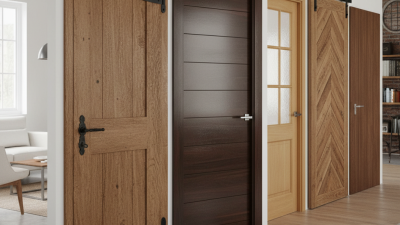
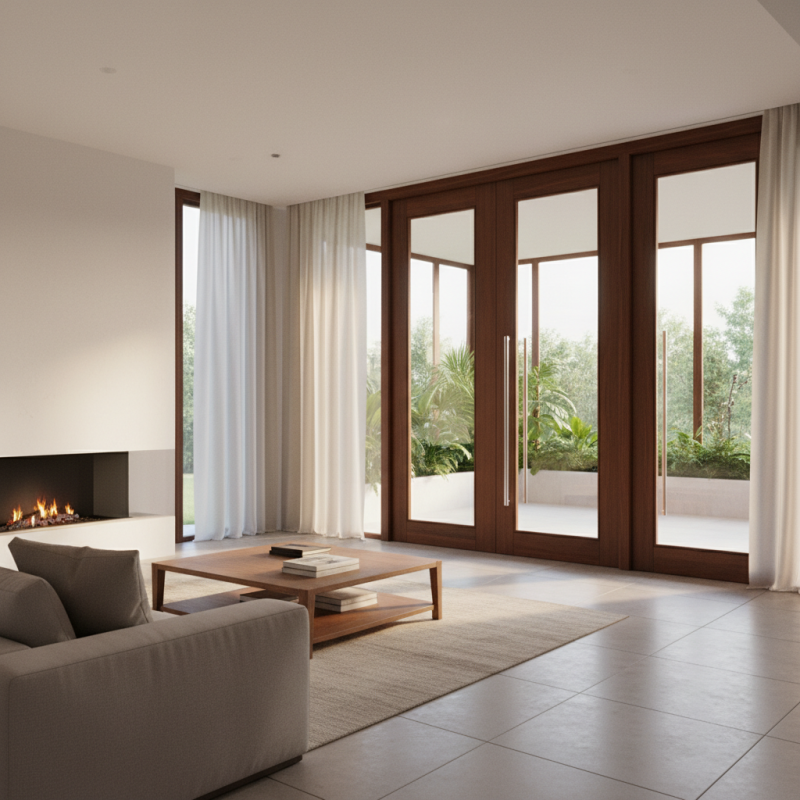
When choosing stile doors, it’s crucial to understand the various types available. Stile doors typically come in different materials such as wood, fiberglass, and metal. Each type has its benefits and drawbacks. For instance, wooden stile doors offer timeless beauty but may require regular maintenance. On the other hand, fiberglass doors are more resistant to environmental changes but may lack the authentic feel of wood.
When evaluating stile doors, consider the environment. If you live in a humid area, solid wood may warp over time. Fiberglass can withstand moisture better. Moreover, think about durability. Metal styles can withstand wear and tear but might rust if not treated well.
Here are a few tips: Always check for certifications. This ensures the door meets specific standards. Look for energy-efficient options to save on utility bills. Don’t forget to assess the design. Select a style that complements your home’s aesthetics. Lastly, weigh the cost against longevity. Cheaper doors may end up costing more over time.
Essential Tips for Choosing Quality Stile Doors
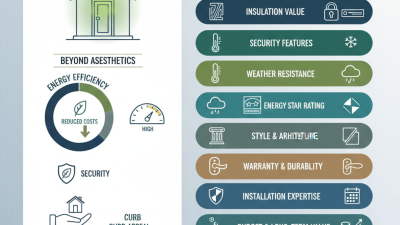
Key Factors to Consider When Selecting Quality Stile Doors
When it comes to selecting quality stile doors, several key factors play a crucial role. Materials are essential. Solid wood is the preferred choice for durability and aesthetics. Look for hardwoods, as they offer strength and a refined look. Cheaper materials may save money upfront but can lead to issues later. Consider the environmental impact too. Sustainable wood sources can enhance your project's value.
Quality hinges and hardware should not be overlooked. They affect both function and appearance. Budget for sturdy options; they ensure longevity. Pay attention to finishes as well. A well-applied finish can protect the door while enhancing its beauty. Avoid overly glossy finishes, as they can highlight imperfections.
Lastly, proper measurements are vital. Inaccurate dimensions can lead to fitting problems. Double-check all measurements before purchasing. The style of the door should match your overall design vision. It’s all in the details. Make sure it complements your home’s architecture. Thoughtfulness in your choices ensures a lasting impression. Choose wisely, and trust your instincts.
Essential Tips for Choosing Quality Stile Doors
| Feature |
Description |
Importance Level |
Notes |
| Material |
Common materials include solid wood, fiberglass, and composite. |
High |
Choose based on durability and style preferences. |
| Design |
Styles can range from traditional to contemporary. |
Medium |
Ensure it complements your home's aesthetic. |
| Energy Efficiency |
Look for doors with good insulation properties. |
High |
Can lower heating and cooling costs. |
| Customizability |
Ability to choose sizes, finishes, and features. |
Medium |
Important for unique openings and personal taste. |
| Price |
Ranges widely based on material and design. |
High |
Set a budget before shopping. |
| Warranty |
Check for manufacturer's warranty for defects. |
Medium |
A good warranty can provide peace of mind. |
Evaluating Material Choices: Wood vs. Composite for Stile Doors
When it comes to choosing stile doors, understanding the material options is crucial. Wood and composite materials each have distinct characteristics.
Wood doors offer a classic look with natural beauty. They provide excellent insulation and can last for decades with proper care. However, wood is prone to warping or cracking in humid conditions. Homeowners should expect regular maintenance to preserve its appearance.
On the other hand, composite doors present a modern alternative. They are made from a blend of materials, resulting in greater durability. Composite styles resist dents and scratches effectively. They require less upkeep compared to wood. Still, the look may not satisfy everyone. Some individuals prefer the authentic texture of natural wood.
An informed choice depends on aesthetic preference and practical needs.
Evaluating your environment is also vital. If your area experiences extreme weather, composite might be the better option. If aesthetics are your priority, real wood could add character to your home. Balancing maintenance and appearance is a challenge. Take your time to reflect on what aligns best with your lifestyle and values.
Assessing Stile Door Dimensions and Customization Options
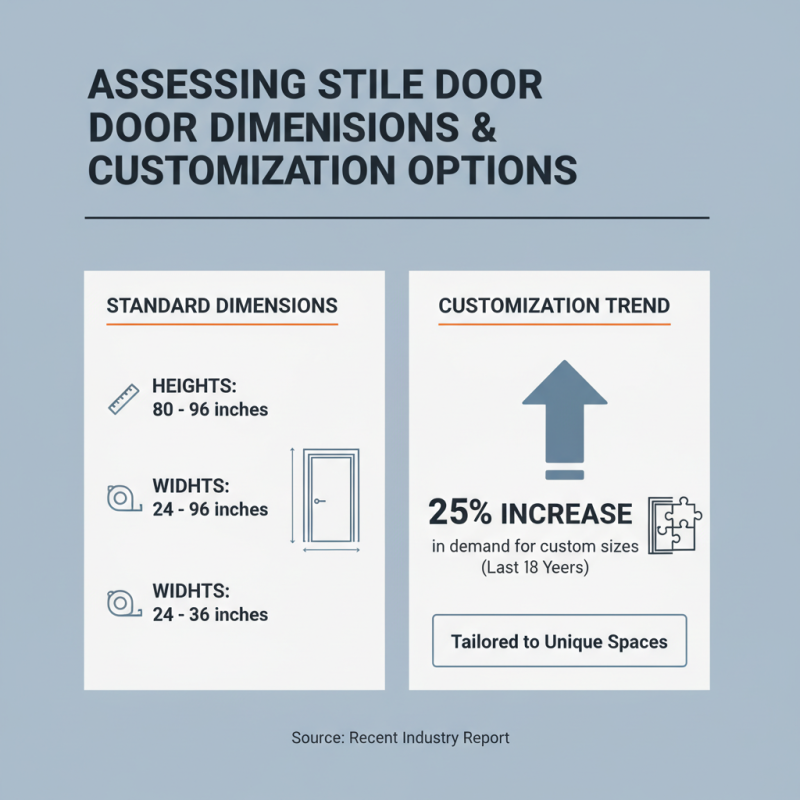
When choosing stile doors, assessing dimensions and customization options is key. Standard stile door heights range from 80 to 96 inches, with widths often between 24 to 36 inches. However, customization can help fit unique spaces. According to a recent industry report, the demand for custom door sizes has increased by 25% over the past five years, emphasizing the trend toward tailored home features.
Tips: Measure your opening carefully. Small discrepancies can lead to significant issues. Always account for the flooring thickness too. If you're unsure, consult with a professional for guidance.
Consider the material for your stile doors. Solid wood offers durability but can warp in humid areas. Composite materials deliver resilience and tend to be more stable. An estimated 60% of homeowners prefer composites due to their low maintenance. Choices in style, finish, and hardware add to customization potential, enhancing both aesthetics and functionality. Always reflect on how design choices can align with your home's overall style.
Importance of Energy Efficiency Ratings in Stile Door Selection
When selecting stile doors, focusing on energy efficiency ratings is crucial. These ratings indicate how well a door can insulate your home. High energy efficiency can result in lower utility bills and a more comfortable living environment. Without paying attention to these ratings, you could face higher costs in the long run.
While many people overlook door insulation, it plays a significant role in energy conservation. Consider the material used in the door. Solid wood doors may provide better insulation compared to hollow-core options. However, they can be heavier and harder to manage. Insects or rot can harm wooden doors too. This reflects the importance of weighing options carefully.
Investing in energy-efficient stile doors is beneficial for the environment. They help reduce carbon footprints and maintain sustainable living practices. However, it takes effort to research and select the right one for your needs. Consider consulting experts, but make sure to seek diverse opinions. This can prevent common mistakes, leading to better long-term choices. Pay attention to small details, as they make a big difference.