What Are the Top Outside Door Options for Global Buyers?
Global buyers face a practical question: Which outside door can withstand climate, security needs, and daily use? The answer depends on more than appearance. A coastal home may require corrosion-resistant hardware and fiberglass construction. A cold-region project may need insulated cores, tight weather seals, and thermally efficient frames. In humid markets, poor installation can damage even a high-quality door.
Dr. Joseph Lstiburek, a respected building-science expert, has often emphasized, “Water is the single largest source of building problems.” His point matters at every entrance. Rain can enter through an uneven threshold, loose flashing, or a badly sealed frame. Small gaps become expensive repairs. Sometimes, the door is not the real problem.
This guide examines steel, fiberglass, solid wood, aluminum, and composite outside door options for international buyers. It considers durability, energy performance, maintenance, customization, and total ownership cost. Steel doors can offer strong security, yet exposed surfaces may dent or rust. Wood provides warmth and character, but it demands regular protection. Fiberglass often balances appearance and resistance, although quality varies widely.
Global purchasing also requires careful supplier evaluation. Ask for tested performance data, installation instructions, material specifications, and replacement-part support. Confirm dimensions in millimeters. Check swing direction, threshold height, glazing safety, and packaging before shipment. These details seem ordinary. They prevent costly surprises.
There is no perfect outside door for every market. A visually impressive model may perform poorly in tropical rain. A low-cost option may become expensive after repeated repairs. Buyers should compare real site conditions, not only catalog photographs. That reflection is easy to skip, but it often determines whether the entrance performs well for years.
What Are Outside Doors and Why Do Global Buyers Need Them?
Outside doors are exterior entry systems connecting indoor spaces with the open environment. They protect rooms from rain, wind, noise, insects, and unwanted access. Unlike interior doors, they need sealed frames, durable hardware, and thresholds that guide water away. Common options include insulated steel, engineered wood, fiberglass, and aluminum-framed glass. Each material handles moisture, heat, impact, and maintenance differently. That distinction matters.
Global buyers need outside doors because buildings face different climates and construction methods. A coastal home may need corrosion-resistant hinges and strong protective finishes. A cold warehouse needs a tightly sealed leaf with low heat transfer. In hot regions, shaded glazing can reduce heat near the entrance. Security is equally practical. Buyers should check cylinder quality, hinge strength, impact resistance, and frame anchoring. Accessibility also matters; low thresholds and easy lever handles support older users and people carrying loads.
Reliable purchasing requires more than comparing catalog photographs. Ask for thermal, water, air, and hardware performance data. Confirm how those tests apply to the complete door assembly. Packaging deserves attention too. Moisture, rough handling, and long-distance storage can damage a door before installation. I would inspect sample corners, seals, drainage paths, and finish consistency before approving a large order. Even careful buyers can overlook installation conditions. An excellent door may perform poorly when the opening is uneven or the threshold lacks proper support. That lesson can be costly.
Which Materials Are Used in Modern Outside Doors?
Outside doors face rain, sunlight, wind, and frequent daily use. Material selection therefore affects security, insulation, maintenance, and service life.
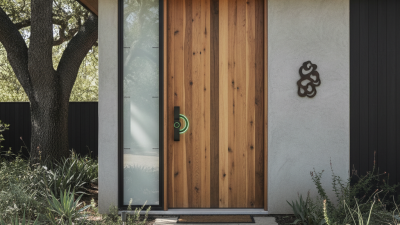
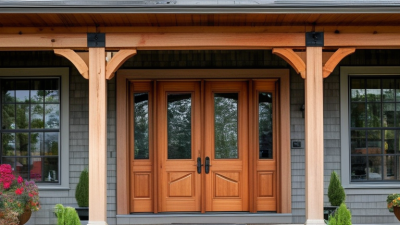
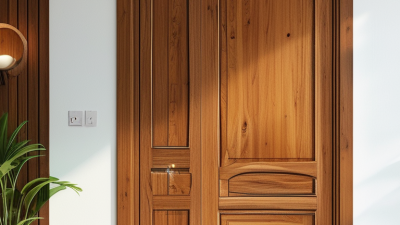
Solid wood remains popular for traditional homes and custom entrances. Its natural grain adds warmth, but moisture can cause swelling or cracking. Proper sealing matters. Fiberglass offers a steadier option in humid or coastal climates. It resists rot, dents, and temperature changes better than many wood doors. Its surface can also imitate oak or walnut with surprising detail.
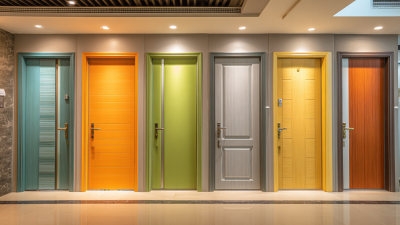
Steel doors provide strong impact resistance and reliable security. However, damaged coatings may expose metal to rust, especially near saltwater. Aluminum is lighter and naturally corrosion-resistant. It suits modern designs, though thin sections may transmit heat unless they include thermal breaks. Composite doors combine several materials, often improving stability and energy performance. Results depend heavily on manufacturing quality.
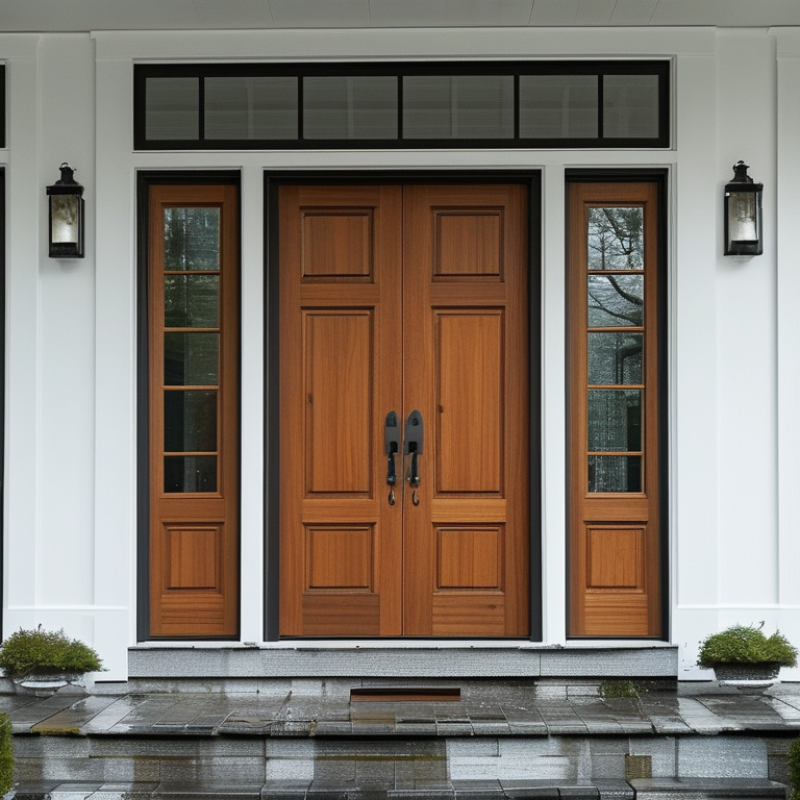
Glass is often used in panels, sidelights, or full-height designs. Laminated or insulated glass can improve safety and reduce heat transfer. Yet large glazed areas may need careful shading in hot regions. Local weather data, building codes, hinge strength, drainage, and professional installation should guide the final choice. No material is perfect. A door that performs well in a dry climate may disappoint after one wet winter. Sometimes, buyers focus on appearance and overlook the frame, seals, and threshold. That mistake is easy to make.
What Are the Top Outside Door Options for Global Buyers?
Which Materials Are Used in Modern Outside Doors?
This chart compares representative thermal-conductivity values for common outside-door materials at room temperature. Lower conductivity generally indicates better resistance to heat transfer. Actual door energy performance also depends on insulation cores, glazing, weather seals, frame design, and installation quality.
Values are approximate material-property references in W/m·K; actual values vary by grade, density, moisture content, and product construction.
What Types of Outside Doors Suit Different Building Needs?
Choosing an outside door starts with the building’s actual demands, not appearance alone. For family homes, insulated fiberglass doors offer stable performance in changing weather. They resist moisture, need limited maintenance, and can include multipoint locking. Steel doors provide stronger impact resistance for entrances needing extra security. However, exposed steel may develop surface corrosion if coatings or drainage are neglected.
Commercial buildings often need aluminum-and-glass doors for frequent traffic and clear visibility. They suit offices, clinics, and retail spaces, but poor glazing can increase heat gain. Solid wood doors add warmth to hospitality projects and traditional homes. They require careful sealing, especially near humid coastlines. Sliding doors work well when space is limited, although their tracks need regular cleaning. Small debris can prevent a tight seal.
High-use buildings should consider wide openings, low thresholds, durable hinges, and accessible handles. Apartment entrances may need tested fire-rated assemblies, closer systems, and controlled access, subject to local regulations. Warehouses usually benefit from reinforced steel service doors, while workshops may need wider leaf designs for equipment movement. Check wind-load data, thermal ratings, water resistance, and warranty conditions before ordering. Measurements matter more than catalog claims. A door can look ideal and still fail because the frame was installed out of square. That detail is easy to miss. Rechecking the opening, wall condition, and drainage path can prevent expensive replacement work.
How Do Security, Energy Efficiency, and Weather Resistance Compare?
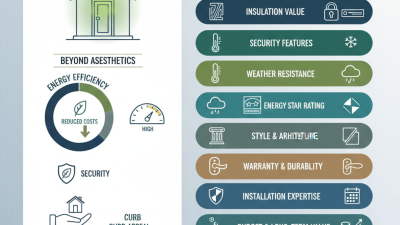
For global buyers, an outside door must do more than welcome visitors. It must resist forced entry, heat loss, rain, and daily abuse. Security begins with a solid core, reinforced frame, multi-point locking, and hinges protected from the exterior. Glass panels need laminated safety glass, especially near the handle. A strong lock means little if the frame flexes. On-site installers often see this mistake. The door looks secure. It is not.
Energy efficiency
Energy efficiency depends on the whole opening, not the slab alone. Look for insulated cores, thermal breaks, compression seals, and low-conductivity frames. In cold regions, poor seals create a narrow frost line around the threshold. In hot climates, dark surfaces can become extremely hot under direct sun. A low U-value is useful, but published figures may reflect laboratory conditions. Real performance changes with installation quality, shading, and local wind exposure. This deserves scrutiny.
Weather resistance varies with exposure. Coastal homes need corrosion-resistant hardware and drainage paths; rainy regions need sloped thresholds and durable sealants. Areas with strong wind require tested assemblies, not merely thick doors. Wood can offer warmth, but it needs disciplined maintenance. Fiberglass or metal may demand less care, yet each construction has weak points. I would inspect corner joints, sweep seals, and water staining after one wet season. Small omissions become expensive repairs. Buyers should request test reports, installation details, and replacement-part availability before comparing prices.