What Are the Top Premium Doors for Global Buyers?

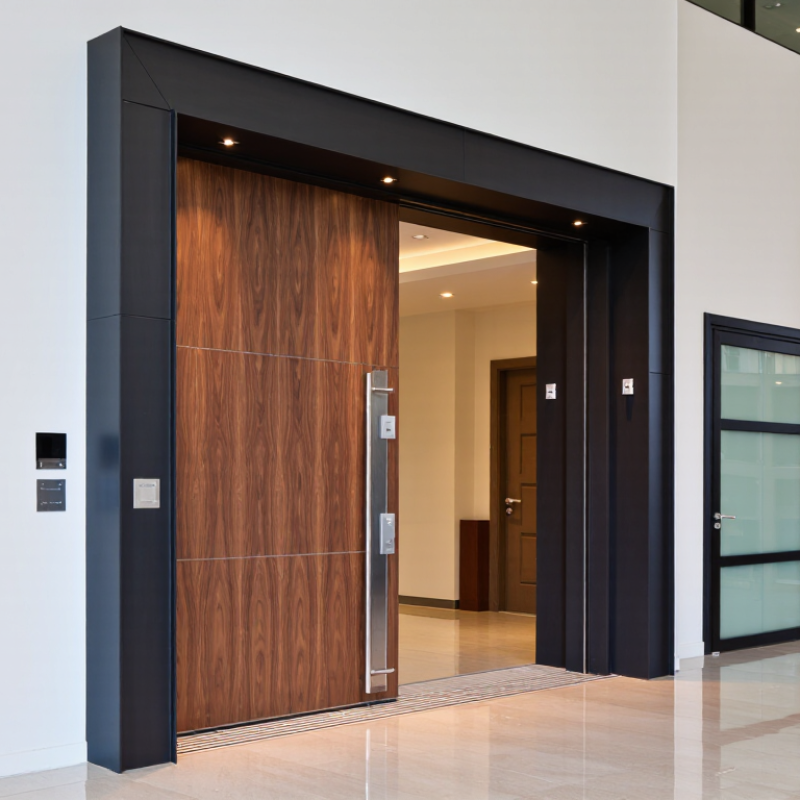
For global buyers, premium doors are no longer judged by appearance alone. They must combine architectural character, thermal performance, security, durability, and responsible sourcing. A walnut pivot door may look impressive in a showroom, yet its frame alignment, weather seals, and hardware determine long-term value.

The International Energy Agency’s Global Status Report for Buildings and Construction 2023 states that buildings consume about 30% of global final energy. They also produce around 26% of energy-related emissions. These figures make door performance commercially important, not merely decorative. Well-engineered entrance systems can reduce drafts, improve indoor comfort, and support broader building-efficiency goals. Still, a door cannot solve poor insulation elsewhere.

Industry buyers should examine verified U-values, air-leakage results, water resistance, acoustic ratings, and tested security performance. Relevant standards may include EN 14351-1, EN 12207, EN 12208, and regional certification requirements. However, test methods differ across markets. Comparisons can become misleading without checking product configurations carefully.

Current premium demand also reflects the wider movement toward resilient, healthier, and more personalized buildings. Reports from the International Energy Agency and the World Green Building Council emphasize efficiency, material responsibility, and occupant well-being. These priorities influence hotels, luxury residences, offices, and high-end developments worldwide.

There is no universal “best” door. Climate, installation quality, maintenance access, and local regulations all change the answer. Even expensive products can fail when installers overlook drainage or hinge adjustment. This guide examines the top premium doors for global buyers, focusing on measurable performance, refined design, lifecycle value, and the practical details that product brochures sometimes hide.
What Are the Top Premium Doors for Global Buyers?

What Defines a Premium Door for International Buyers?

For global buyers, a premium door is more than an attractive entrance. It must perform reliably across climates, building types, and installation conditions. Experienced purchasing teams examine thermal insulation, acoustic control, water resistance, and structural strength. They request measured test data, not vague claims. A well-built door should close smoothly, keep its alignment, and resist repeated daily use. Tiny gaps matter. So does the frame.

Material choice depends on location. Coastal projects need corrosion-aware finishes, while cold regions require stable seals and low heat transfer. In hot, bright environments, surface expansion deserves careful review. Premium construction also includes dependable hinges, precise hardware, safe glazing, and repairable components. International buyers should check applicable safety, accessibility, fire, and energy requirements before ordering. Documentation must be clear, current, and easy to verify. Even excellent products can fail when measurements or installation methods are overlooked. In practice, this problem appears repeatedly. The door is not always the real weakness.

Tips: Ask for independent test reports, installation drawings, material samples, maintenance instructions, and warranty terms. Confirm dimensions in writing. Review replacement-part availability before shipment. A factory visit or third-party inspection can reveal finish inconsistencies that photographs hide. Do not judge premium quality by weight alone. Heavier is not automatically better.
What Defines a Premium Door for International Buyers?

Premium doors are typically evaluated through a combination of energy efficiency, acoustic insulation, weather resistance, security, and durability. The benchmark scores below are normalized from commonly specified international performance requirements, where 100 represents the strongest target level.

Reference basis: common European and international door-performance classifications, including thermal transmittance, acoustic rating, air and water tightness, wind resistance, and resistance-to-burglary standards. Higher scores indicate stronger premium positioning.

Which Premium Door Materials Offer the Best Performance?

For global buyers, premium door performance begins with material selection, not decorative hardware. Engineered hardwood offers warmth, strength, and excellent acoustic control. Its layered construction can reduce warping better than solid timber. However, it still needs careful sealing in humid climates. Small finish failures become visible quickly.

Aluminum performs well in coastal and high-traffic projects. It resists corrosion when properly treated and supports slim, modern frames. Thermal breaks are essential because untreated metal transfers heat rapidly. Fiberglass provides stable insulation and resists moisture, dents, and sunlight. It may feel less substantial than wood, which some buyers consider a drawback. Steel delivers outstanding security and impact resistance, but exposed edges can develop corrosion without durable protection.

Composite doors combine several materials to balance insulation, strength, and maintenance. Their performance depends heavily on core density, weather seals, frame design, and installation quality. I have seen an expensive door perform poorly because the threshold was uneven. That detail matters. Buyers should review air leakage, water resistance, acoustic ratings, and thermal values from independent testing. Regional climate also changes the decision: fiberglass suits wet conditions, while engineered wood can excel in sheltered, design-focused entrances. No material wins everywhere. A careful specification remains more reliable than a fashionable finish.

How Do Design Styles Differ Across Global Markets?

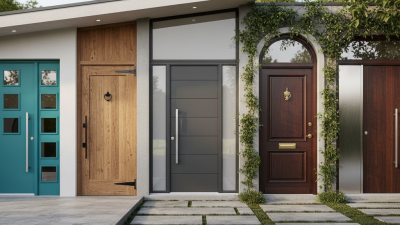
Premium doors are no longer designed for one global taste. In North America, buyers often prefer wide pivot doors, black metal frames, and large glass panels. These features create dramatic entrances for open-plan homes. The 2024 Houzz & Home Study shows that homeowners continue investing in renovation projects, with professional involvement remaining strong. That supports demand for accurately measured, custom-built door systems.

European markets usually favor slimmer profiles, restrained colors, and highly insulated materials. Natural oak, concealed hinges, and flush surfaces suit compact urban architecture.

In warmer Mediterranean regions, shaded glass, textured wood, and ventilated entry zones are more practical. Asia-Pacific buyers often combine minimalist forms with symbolic details, including warm timber tones, symmetrical layouts, and softly filtered daylight. Local culture still matters.

Performance cannot be separated from style. The 2024 UNEP Global Status Report for Buildings and Construction identifies buildings as responsible for about 32% of global energy use and 34% of energy-related emissions. Premium buyers therefore examine thermal breaks, airtight seals, acoustic ratings, and verified safety glass. Specifications vary by climate and regulation. They should.

From my experience reviewing architectural specifications, buyers sometimes overvalue appearance and underestimate installation quality. A beautiful door can fail through poor sealing or incorrect alignment. This is an uncomfortable point. Design language should respond to climate, building scale, and daily use, not only catalog photography.

What Security, Energy, and Durability Features Matter Most?

Premium doors for global buyers should be judged by performance, not appearance alone. In site inspections, I look first at the frame, hinges, locking points, and installation quality. A heavy door is not automatically safer. Weak wall connections can defeat an expensive security system. Multi-point locks, reinforced strike plates, laminated glass, and internal hinge protection can reduce common entry risks. Buyers should request independent test reports, clear maintenance instructions, and documented installation procedures.

Energy performance matters across changing climates. A well-sealed door limits drafts, dust, and outdoor noise. Look for continuous weather seals, insulated cores, and thermally separated frames. Low-emissivity glazing can help control indoor temperatures when sunlight is strong. However, published insulation figures may not reflect real buildings. Poor alignment or an uneven threshold can waste energy within months. Local climate data and professional measurement are more useful than attractive showroom claims.

Durability depends on materials, drainage, finishes, and daily use. Powder-coated metal, treated timber, and corrosion-resistant hardware can perform well when specified correctly. Coastal homes need extra protection from salt air. Cold regions require seals that remain flexible during freezing weather. Small details matter. A door closer that slams repeatedly may damage the frame. Even premium products need inspection, adjustment, and cleaning. I would also allow room for doubt: laboratory tests are valuable, but long-term field evidence deserves equal attention.

What Are the Top Premium Doors for Global Buyers? - What Security, Energy, and Durability Features Matter Most?

Premium Door Type Typical Construction Security Features to Prioritize Indicative Thermal Performance Durability Indicators Best Use Cases Key Verification Documents
Insulated Steel Security Door Galvanized or coated steel skins around a mineral-wool or rigid-foam core, usually with a reinforced frame. Multi-point locking, hinge-side protection, anti-drill cylinders, laminated glazing, and a tested security classification such as EN 1627 RC2 or RC3 where applicable. Commonly about 0.8–1.4 W/m²K for a complete insulated door set; lower values require careful frame, threshold, and glazing design. Strong resistance to impact and warping; corrosion protection, coating quality, drainage, and sealed edges are critical in coastal or humid climates. Urban entrances, apartments, commercial buildings, and locations requiring high resistance to forced entry. Full-door security test report, U-value calculation or test report, corrosion-resistance evidence, and hardware certification.
Thermally Broken Aluminum Door Aluminum profiles separated by low-conductivity polyamide thermal barriers, combined with insulated panels or double/triple glazing. Multi-point locks, reinforced strike plates, laminated safety glass, concealed or security-rated hinges, and tested resistance to forced entry. Approximately 0.8–1.6 W/m²K for a high-performance door set, depending on glazing ratio, threshold, and frame depth. Excellent dimensional stability and low maintenance; specify powder-coating or anodizing suitable for the intended UV, salt, and humidity exposure. Modern residences, high-rise projects, warm climates, coastal developments, and large-format glazed entrances. Thermal transmittance report, air/water/wind test results, finish warranty, glass safety classification, and security test documentation.
Engineered Timber Door Layered or laminated timber construction with stabilized cores, weather-resistant coatings, insulated panels, and optional protective veneers. Solid core, reinforced lock area, three-point or multi-point locking, security glazing, and properly anchored hinges and frame connections. Typically about 0.8–1.5 W/m²K for a well-insulated opaque door; performance depends strongly on thickness, seals, and glazing. Stable engineered construction reduces seasonal movement; exterior-grade finishes and scheduled recoating are important for exposed locations. Premium homes, heritage-style projects, hospitality entrances, and buyers seeking natural materials with strong insulation. Moisture-content and stability data, complete-door U-value, weather-performance testing, coating specification, and lock certification.
Fiberglass Composite Door Fiber-reinforced polymer skins over a polyurethane, polystyrene, or mineral-based insulating core, mounted in a composite, timber, or metal frame. Reinforced lock blocks, multi-point locking, anti-lift hinges, laminated glazing, and a frame-to-wall installation tested as a complete assembly. Often around 0.7–1.3 W/m²K for insulated opaque designs; actual results vary with core, threshold, glazing, and frame configuration. Low moisture absorption, good resistance to denting and corrosion, and limited thermal movement; verify UV and surface-finish performance. Energy-efficient homes, mixed climates, humid regions, and projects needing low maintenance with a timber-like appearance. U-value report, water and air infiltration results, impact or security testing, UV/weathering data, and hardware specifications.
High-Performance Glazed Entrance Door Thermally improved metal or composite frame with double or triple insulating glass, low-emissivity coatings, inert-gas cavities, and warm-edge spacers. Laminated security glass, robust multi-point hardware, anti-pry frame design, restricted-access cylinders, and a verified forced-entry classification. Approximately 0.9–1.6 W/m²K for a complete high-performance glazed door; solar-control glass may be required in hot climates. Insulating-glass edge-seal quality, drainage, gasket replacement access, and resistance to wind pressure are major long-term considerations. Contemporary villas, offices, hospitality projects, daylight-focused designs, and entrances requiring visual openness. Glass safety and thermal data, whole-door U-value, solar-factor data, air/water/wind test results, and security classification.
Fire-Rated Premium Door Set Steel, timber, or composite leaf with fire-resistant core, intumescent seals, certified frame, closer, hinges, and compatible hardware. Self-closing mechanism, fire-rated lockset, smoke seals, protected hinges, and a tested fire-resistance rating such as 30, 60, or 90 minutes where required. Thermal performance is secondary to fire resistance; insulation values vary widely and must be taken from the certified door-set documentation. Certified assembly integrity, correct installation, seal maintenance, and periodic inspection of closers and latching hardware are essential. Apartment corridors, service rooms, hotels, offices, and projects governed by fire-compartmentation requirements. Fire-test classification, smoke-control evidence, installation instructions, hardware compatibility records, and local code approval.
Buyer’s note: U-values are indicative ranges for complete door assemblies and are not directly comparable with center-of-panel values. Lower U-values indicate better insulation. Security, weather, fire, and durability performance should be confirmed for the complete door, frame, threshold, glazing, hardware, and installation method under the regulations of the target market.

How Can Buyers Compare Premium Door Suppliers and Costs?

Global buyers often seek premium doors with refined finishes, strong security, and dependable performance. Popular options include thermally broken aluminum doors, engineered timber doors, stainless steel systems, and certified fire-rated models. The right choice depends on climate, building use, maintenance access, and local installation skills.

Comparing suppliers requires more than checking the catalogue price. Request material specifications, air and water resistance results, thermal data, warranty terms, and recent project references. Ask whether testing covers the complete door assembly, including frames, hinges, seals, and glass. A low quote may exclude delivery, customs duties, installation, or replacement parts. Compare the landed cost instead. Include packaging, insurance, currency changes, and expected maintenance over ten years.

Supplier communication also reveals practical reliability. Can the technical team explain tolerances clearly? Do drawings show opening direction, drainage paths, and fixing points? I have found that detailed answers usually predict smoother installation. Not always, though. A polished proposal can still hide weak after-sales support. My own comparison sheets have sometimes missed regional service time, which became expensive later. Buyers should inspect sample corners, operate locking hardware repeatedly, and confirm lead times in writing. A premium door should feel stable, close evenly, and retain performance after transport and installation.gbc