Top Vision Inspection Factories in China for Global Buyers?
In today's competitive market, sourcing the right suppliers is crucial. Global buyers are increasingly turning to China for high-quality vision inspection solutions. These factories specialize in advanced technology and meticulous craftsmanship. A "Vision Inspection Factory China" can provide tailored solutions to meet specific requirements. However, not every factory operates at the same standard.
Buyers must consider the reputation and experience of each manufacturer. Some may excel in producing reliable equipment but lack customer support. Others might offer competitive pricing but compromise on quality. Transparency in operations is essential. A trustworthy partner will provide insights into production processes and quality assurance.
Investing time in research can prevent future issues. Understanding the strengths and weaknesses of potential suppliers helps in making informed decisions. It’s important to balance cost against quality and reliability. The goal is to find a partner that aligns with your vision. Careful selection can lead to long-term success in vision inspection technology.
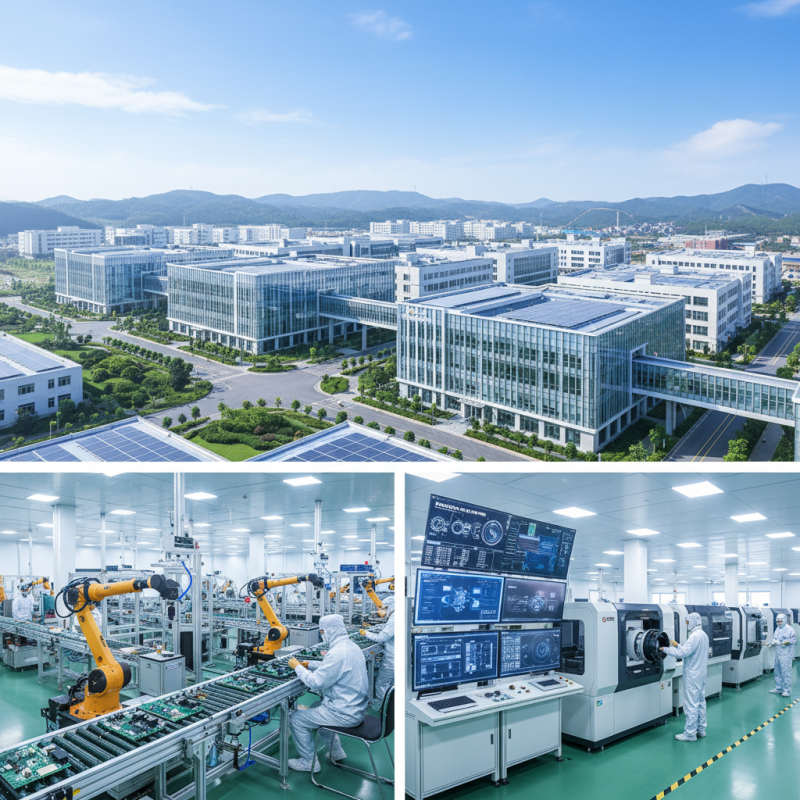
Overview of Vision Inspection Technologies in Manufacturing
In the manufacturing sector, vision inspection technologies play a pivotal role in ensuring quality control. These systems utilize advanced imaging techniques to detect defects and verify product integrity. Many factories in China have embraced this technology, significantly improving efficiency. Cameras and sensors are used to inspect items on production lines. This automation reduces human errors and speeds up the inspection process.
Moreover, the integration of artificial intelligence enhances the capabilities of vision inspection systems. AI algorithms can analyze images in real-time, identifying even the smallest discrepancies. This leads to more accurate assessments and fewer rejected products. Some factories face challenges in implementing these systems due to high initial costs. Nevertheless, the long-term benefits justify the investment.
On the operational side, not all factories have fully optimized their vision inspection processes. Training staff on new technologies remains a hurdle. There are instances of miscommunication during the adaptation phase. Additionally, maintaining the equipment requires ongoing attention. Regular updates and checks are essential for optimal performance. Manufacturing facilities must continuously evaluate their inspection systems to stay competitive.
Key Features and Benefits of Advanced Vision Inspection Systems
Vision inspection systems have revolutionized quality control across various industries. These advanced systems use high-resolution cameras and sophisticated algorithms to detect defects. The ability to analyze products in real time ensures that only items meeting quality standards reach consumers.
One key benefit of modern vision inspection is its speed. These systems can process thousands of products per minute. This efficiency often reduces labor costs and minimizes human error. However, companies must continually evaluate the effectiveness of these systems. Regular updates and maintenance are crucial for optimal performance.
Another significant feature is adaptability. Advanced vision inspection systems can be customized for different products and environments. This flexibility allows businesses to pivot quickly in response to market changes. Yet, it’s essential to monitor the implementation process. Companies might face a steep learning curve when integrating new technologies. This can lead to temporary disruptions if not managed well.
Top Vision Inspection Factories in China for Global Buyers
China has become a hub for vision inspection technology, attracting global buyers seeking quality and reliability. According to industry reports, the market for vision inspections in Asia is projected to reach $2.4 billion by 2024, driven by automotive and electronics sectors. This indicates a rapid growth in factories focusing on advanced inspection systems, yet buyers must navigate potential pitfalls.
Quality control remains crucial. While many factories produce promising inspection equipment, not all guarantee reliability. The implementation of standardized testing protocols varies significantly among manufacturers. A buyer might find inconsistent product performance even within technically advanced systems. Furthermore, labor shortages in certain regions can lead to rushed production times, impacting quality.
In a highly competitive landscape, transparency is often overlooked. Some manufacturers may present inflated capabilities. Buyers should conduct thorough due diligence, including factory audits and references. A balance between cost and quality can be challenging. Consequently, fostering strong communication with suppliers is essential. This will aid in avoiding misalignment of expectations and ensure better collaboration for global buyers.
Criteria for Selecting Reliable Vision Inspection Manufacturers
When selecting a reliable vision inspection manufacturer in China, buyers must consider several key criteria. One important factor is the manufacturer's experience in the industry. A company with years of expertise tends to better understand complex inspection systems. This knowledge often translates to higher quality products and support. Prospective buyers should examine portfolios of existing clients to gauge the manufacturer’s capabilities.
Another criterion is the technology used in production. Advanced machinery and software are critical for high-precision inspections. Factories that invest in cutting-edge technology usually deliver more accurate results. It’s also important to verify certifications and compliance with international standards. This reflects a commitment to quality and safety, which is essential for global buyers.
Finally, communication is a vital aspect. Clear and prompt interaction fosters a healthy partnership. Language barriers can complicate collaborations, leading to misunderstandings. Buyers should assess a manufacturer's responsiveness during initial discussions. Good communication may signal a supportive relationship for future projects. While these criteria provide a strong foundation, buyers should remain adaptable, as every manufacturer may have unique strengths and weaknesses. Understanding these nuances is key to making informed decisions.
Case Studies: Successful Implementation of Vision Inspection Solutions
In recent years, vision inspection systems have transformed manufacturing processes worldwide. A report from Market Research Future indicates that the global machine vision market is expected to reach $19.2 billion by 2025. Many factories in China have successfully implemented these solutions to enhance quality control and reduce costs.
One notable case study involved a Chinese electronics manufacturer that adopted an advanced vision inspection system. This system integrated artificial intelligence and deep learning algorithms. By using high-resolution cameras, the factory improved accuracy in detecting defects. The defect detection rate increased to over 98%. This implementation not only boosted product quality but also reduced the inspection time significantly.
Another interesting example comes from the automotive sector. A leading automotive parts factory in China integrated vision inspection with robotic assembly lines. This combination helped in real-time monitoring of assembly quality. Although initial integration faced challenges, such as alignment issues, continuous improvements led to a more streamlined process. Ultimately, the factory reported a 30% increase in productivity after optimizing the vision systems. Such cases underscore the impact of vision inspection on enhancing operational excellence in manufacturing.
Top Vision Inspection Factories in China for Global Buyers