What is the Best Material for Home Doors?
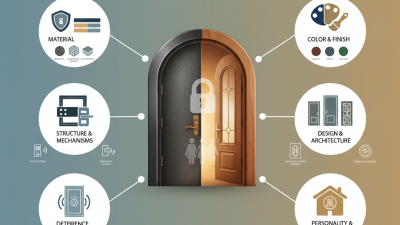
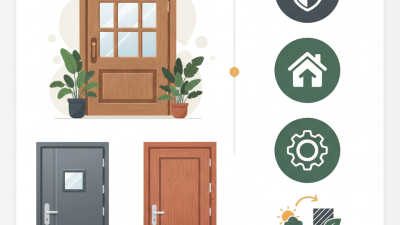
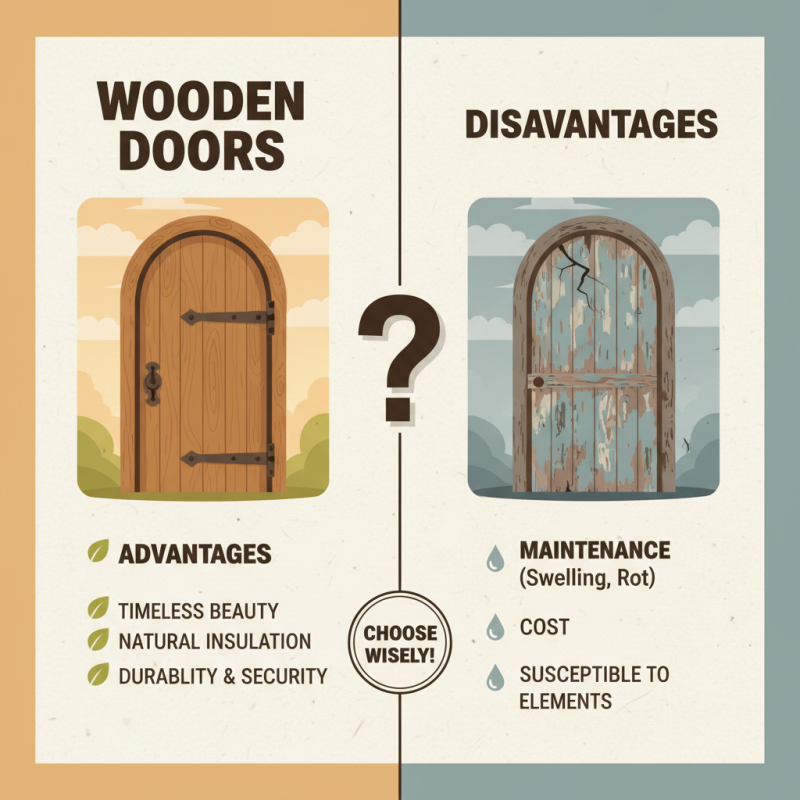
When choosing home doors, material selection can significantly impact functionality and aesthetics. According to door expert John Thompson, "The right material can elevate your home's charm." Home doors made from wood, steel, or fiberglass each offer distinct advantages. Wooden doors are classic and warm, providing excellent insulation but requiring maintenance. Steel doors, on the other hand, are durable and secure but may suffer from dents and rust.
Fiberglass doors are lightweight and resistant to wear, yet some may find them less authentic in appearance. Homeowners often grapple with these choices, weighing beauty, durability, and security. It's crucial to consider personal style, weather conditions, and budget. Each option presents a pathway to a home’s identity while also posing challenges that require careful thought. Ultimately, the decision on material should reflect both practicality and personal taste to create a welcoming entrance.
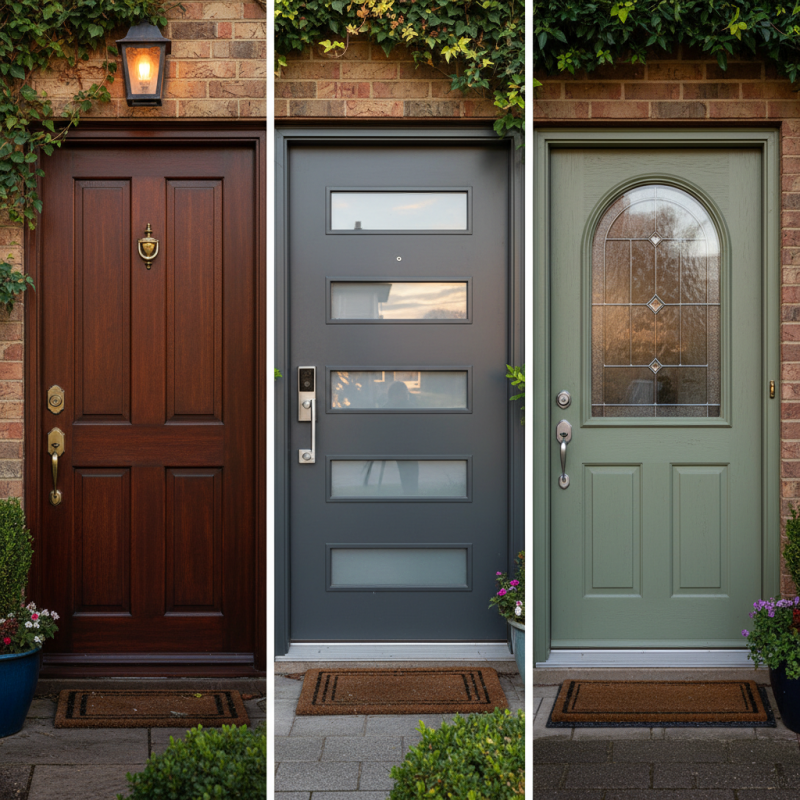
Types of Materials Commonly Used for Home Doors
When choosing a door for your home,
material plays a crucial role. Wood,
fiberglass, and steel
are the most common choices. Each material has its unique benefits and downsides. According to the
American Institute of Architects,
about 20% of homeowners prefer timber doors for their aesthetic appeal. However,
wood can warp and may require regular maintenance.
Fiberglass doors are becoming increasingly popular
due to their durability. They are resistant to dents
and scratches. A report from the
National Association of Home Builders
highlights that fiberglass doors can last up to 30 years.
On the downside, they might not offer the same classic look as wood. Some homeowners feel that fiberglass lacks character.
Steel doors provide security and energy efficiency.
They can help reduce heating costs by providing better insulation. However, the downside is susceptibility to rust, especially in humid environments.
A survey found that 15% of homeowners feel less secure with steel doors due to potential dents and scratches.
Each material presents both strengths and weaknesses. Homeowners must weigh these factors carefully before making a decision.
Factors to Consider When Choosing Door Materials
When choosing the best material for home doors, several factors come into play. The climate in your area greatly impacts material selection. For example, wooden doors may warp in high humidity or extreme temperatures. In contrast, fiberglass doors are more resistant to such issues. Consider how much maintenance you're willing to perform. Steel doors require less upkeep, while wood needs regular painting or staining.
Security is another crucial factor. A solid door can deter unwanted entry. Metal doors often offer better security features. However, they can be heavy and might require stronger hinges. Style matters too. You might want a door that complements your home's design. Some materials can easily be customized. Collaborating with a craftsman can yield unique results. It's essential to think about durability and aesthetics simultaneously.
Finally, budget plays a role in the choice of materials. Some options may seem affordable initially, but long-term costs could add up. Reflect on your priorities; a more expensive door might save money in the long run through durability and energy efficiency. The right door should balance functionality with personal taste, leading to a decision that feels right.
Advantages and Disadvantages of Wooden Doors
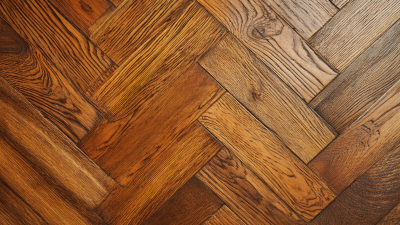
Wooden doors have a timeless appeal. Their natural beauty can enhance any home's aesthetic. However, they come with both advantages and disadvantages that homeowners should consider.
One of the main benefits is insulation. Wooden doors provide good thermal insulation. They can keep your home warm in winter and cool in summer. This can save on energy costs. Durability is another advantage. Well-maintained wooden doors can last for decades. However, they do require regular upkeep. The wood may warp or swell in damp conditions. This leads to possible misalignment and functionality issues.
**Tip:** Apply a weatherproof sealant periodically. This can help protect against moisture damage.
Another drawback is maintenance. Wooden doors can scratch and dent easily. Frequent cleaning is necessary to keep them looking their best. Additionally, they are prone to pest infestations. Termites and wood-boring beetles can cause significant damage.
**Tip:** Inspect your doors regularly for signs of pests. Early detection can save you money and trouble.
Overall, while wooden doors bring warmth and charm, their upkeep can be a challenge. Weigh these factors carefully when choosing the right door for your home.
Benefits of Steel and Fiberglass Doors for Home Security
When considering home security, steel and fiberglass doors stand out. Research from the Door & Access Systems Manufacturers Association indicates that steel doors are five times stronger than wood. They provide an effective barrier against forced entry. Their durability means they resist weathering and wear, ensuring longevity.
Fiberglass doors offer another level of security. According to the American Society for Testing and Materials, these doors can mimic the look of wood while maintaining strength. They are resistant to dents and rust, which makes them ideal for harsh climates. However, some homeowners may overlook the importance of proper installation. Even the best door won’t protect your home if installed incorrectly.
Despite their advantages, both materials have their drawbacks. Steel doors can be prone to scratches, which may compromise their finish. Fiberglass doors are more expensive and may not suit every budget. Homeowners should weigh these factors carefully. A secure door is a key investment, but it should also fit your lifestyle and practical needs.
Environmental Impact of Different Door Materials
When choosing materials for home doors, the environmental impact is essential. Different door materials have varying effects on nature. Wood doors, while beautiful, often lead to deforestation. The demand for hardwood contributes to habitat loss. Sustainable sourcing is crucial, yet not everyone prioritizes this.
Metal doors are another option. They can be recycled, reducing landfill waste. However, the production process often involves significant energy use. This may lead to a larger carbon footprint. Homeowners should consider this factor when selecting a metal door. It's not just about durability; it's about what happens to the planet afterward.
Composite doors combine materials, aiming for balance. They offer good insulation but can have mixed environmental impacts. Some composites may contain substances that are not eco-friendly. This raises questions about the long-term sustainability of such choices. Ultimately, every material comes with its pros and cons. It’s crucial to weigh these factors carefully.
Environmental Impact of Different Door Materials