How to Choose the Best Door Styles for Your Home Design?
Choosing the best door styles is crucial for enhancing your home's design. According to a report by the Door and Hardware Institute, door styles can significantly influence home aesthetics and energy efficiency. The right choices can improve curb appeal, increasing property value by up to 10%.
Homeowners often overlook the impact of door styles. Many opt for standard designs without considering their unique architectural elements. Customization is often key. Features like color, material, and glazing options can create a distinctive look that reflects personal style.
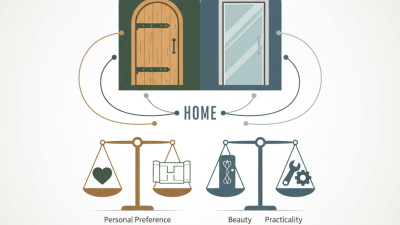
Moreover, some styles offer better insulation. Energy-efficient doors can reduce heating costs by nearly 20%. While many designs are visually appealing, not all provide functionality. This raises an essential question: Are we prioritizing beauty over practicality? The right door styles should blend both aesthetics and performance.
Understanding Different Door Styles and Their Aesthetic Appeal
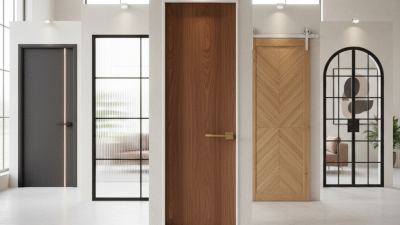
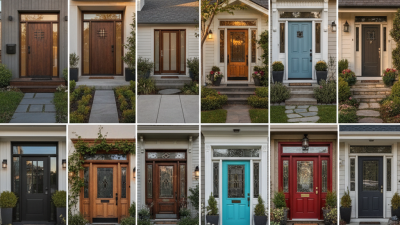
Choosing the right door style can transform your home’s aesthetic. Every style offers unique charm and functionality. Whether you prefer traditional or modern designs, each option has its appeal. A door can serve as a focal point or blend seamlessly into your design.
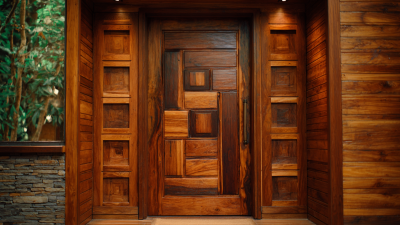
Consider the material. Wood doors exude warmth and character, while metal ones offer a sleek, contemporary look. Glass doors enhance natural light but can compromise privacy. Think about the environment too; durable choices withstand weather changes. Don’t overlook color. A bold hue can make a statement, while neutrals provide versatility.
**Tips:** Assess your home’s overall theme. Do the doors reflect its personality? Remember, door styles should complement your interior design. Reflect on functionality too; a stylish door must be practical. As you explore options, challenge your initial preferences. You might discover beauty in a style you hadn’t considered.
Evaluating Functional Requirements for Your Home’s Door Design
When it comes to choosing door styles, evaluating functional requirements is essential. Doors are not only aesthetic features—they serve critical purposes in security, privacy, and energy efficiency. A 2022 industry report highlights that over 30% of homeowners prioritize security when selecting doors. This makes it vital to assess the safety features of various styles.
Tips: Consider the materials. Steel and fiberglass offer superior durability and security compared to wooden doors. Additionally, pay attention to energy ratings. Energy-efficient doors can reduce heating and cooling costs by up to 20%. Choose styles that fit both your design and functional needs.
Think about the usage. Will a door be used daily or occasionally? High-traffic areas may require more robust styles. In contrast, less frequently used doors can have more elaborate designs. Remember, not all styles are practical. Reflect on how each option meets your needs while enhancing your home’s overall appeal. Balancing form and function can be challenging but rewarding.
Considering Material Options for Durability and Style
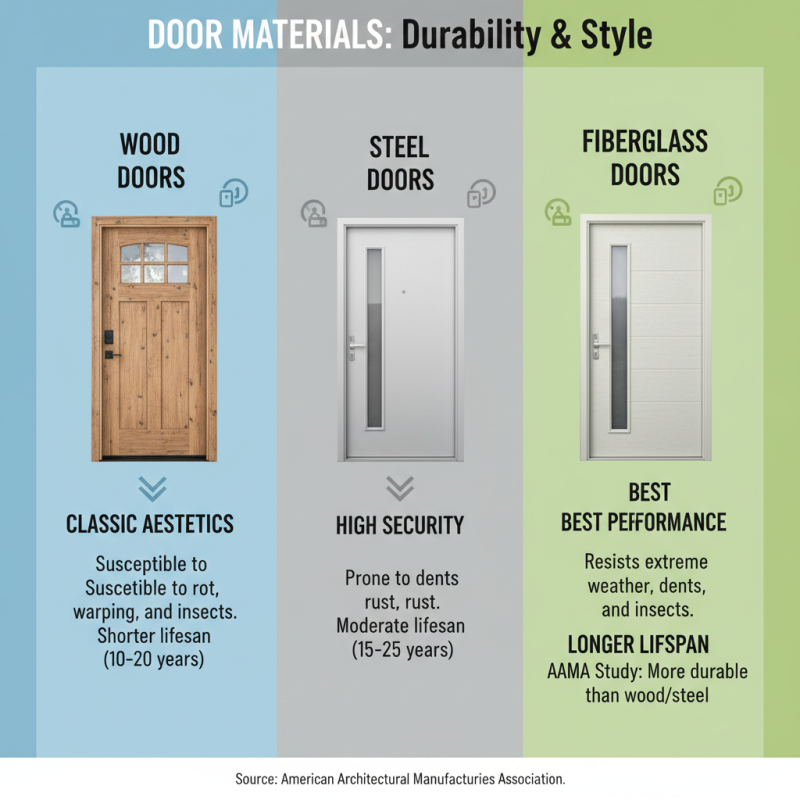
Choosing the right door style significantly impacts your home's aesthetic and functionality. When selecting materials, consider durability alongside design. A study by the American Architectural Manufacturers Association shows that fiberglass doors, for example, can withstand extreme weather better than wood or steel. They have a lifespan expectancy of up to 30 years, making them a reliable option.
Wood doors offer classic appeal but require regular maintenance to prevent rot and warping. The National Association of Home Builders reports that homeowners often overlook the care required for wooden doors. This neglect can lead to costly repairs down the line. Opting for composite materials can provide a balance between style and durability. These materials resist damage and do not require the same maintenance as wood. However, it’s essential to evaluate the long-term costs associated with each material versus their initial appeal.
Steel doors are another popular choice for security. They are tough and resilient, yet prone to rust if not properly coated. According to the Door and Hardware Institute, while steel doors can offer peace of mind, homeowners may face challenges if they do not maintain protective finishes. Assessing the environment and your lifestyle can make a significant difference in your choice, ensuring the door style complements both your home’s design and your personal needs.
Integrating Door Styles with Your Overall Home Architecture
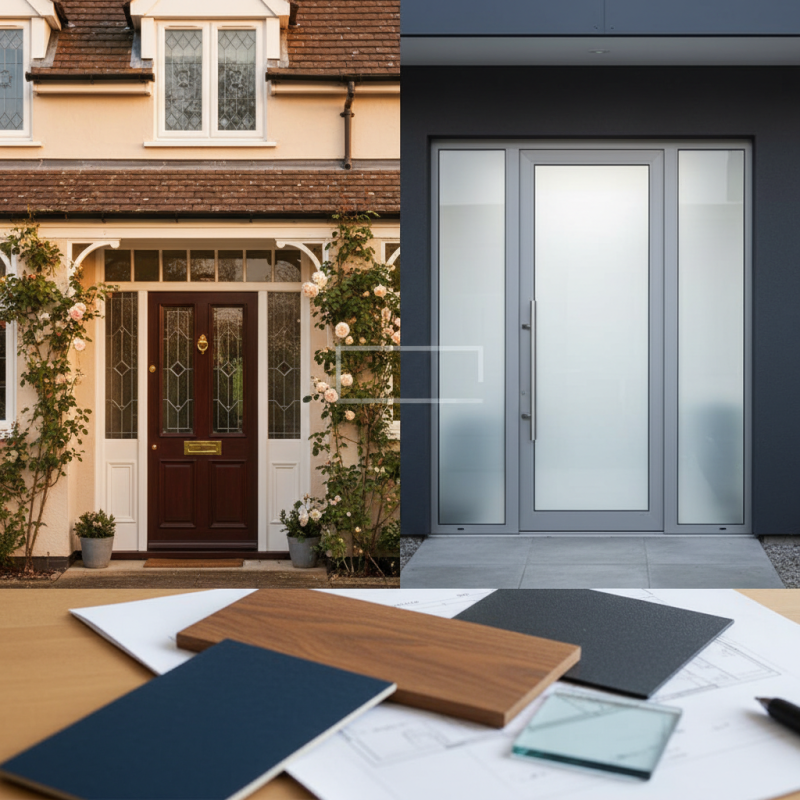
When integrating door styles with your overall home architecture, consider the existing elements. Each door is a statement piece. A traditional wooden door may clash with a modern home but will suit a classical architecture. Conversely, sleek glass doors can enhance contemporary designs, creating an open feel.
Think about proportions and lines. A tall door can create height in a room, drawing the eye upward. Small doors can look lost in expansive spaces. Experiment with textures, too. A metal door can bring an industrial touch, while a painted door adds color and personality.
Don’t forget functionality. Some doors serve practical purposes, while others welcome guests. Reflect on how often each door will be used. A beautiful door is important, but it must also be reliable and fit its purpose. Balancing aesthetics with practicality can be tricky. Each decision impacts the overall feel of your home.
Selecting Hardware and Accessories to Complement Door Choices
Choosing the right hardware and accessories is crucial for enhancing door styles in your home design. The options can be overwhelming. Consider the overall aesthetic you aim to achieve. For a contemporary look, sleek handles made from brushed metal work well. Traditional homes might benefit from antique brass knobs or backplates, which add character.
When selecting accessories, think about scale and proportion. A small door may look odd with a large handle. Moreover, mixing different finishes can create a discordant effect. Aim for harmony in design. Sometimes, the simplest touches, like a uniquely shaped doorstop, can elevate a space. Remember to reflect on your choices. Are they functional? Do they complement the door style?
Always prioritize quality over trendiness. While ornamental designs may be eye-catching, they may not stand the test of time. Consider practicality too. For instance, a stylish lock might not provide sufficient security. Ensuring reliable functionality should be a guiding factor throughout your selection process. Balance style and substance for well-rounded choices.
Door Styles and Their Popularity in Home Design