Why Choosing the Right Interior Doors is Important for Your Home?
When designing a home, the choice of doors interior is often overlooked. Yet, this decision can significantly impact aesthetics and functionality. According to a report from the National Association of Home Builders, interior doors can accentuate or detract from a home's style. The right doors enhance space and can increase property value.
Consider the diverse materials available. Solid wood doors offer elegance and durability, while hollow-core doors are often more affordable. The decision is not just about budget; it's about what resonates with your home's character. The daily wear and tear of family life can make a hasty, poor choice very evident over time.
Choosing doors interior necessitates a balance of design and practicality. Homebuyers consider door quality during viewings. A well-chosen door can create lasting impressions, while a mismatched one may leave potential buyers questioning other home aspects. Reflect on what each door conveys about your home. Emphasize thoughtful choices to prevent future regrets.
The Impact of Interior Doors on Home Aesthetics and Design Flow
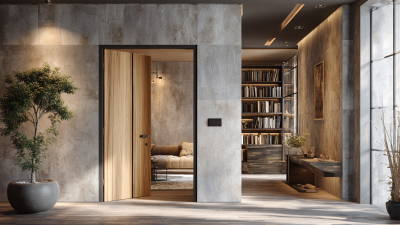
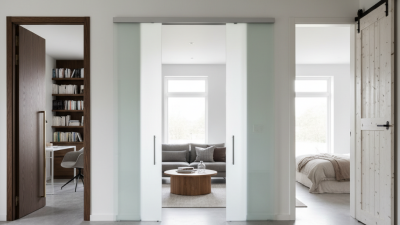
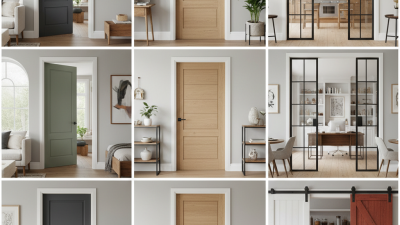
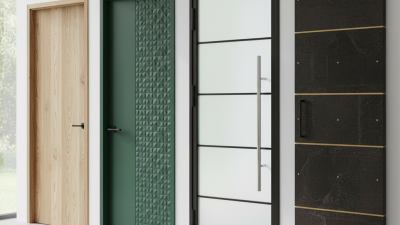
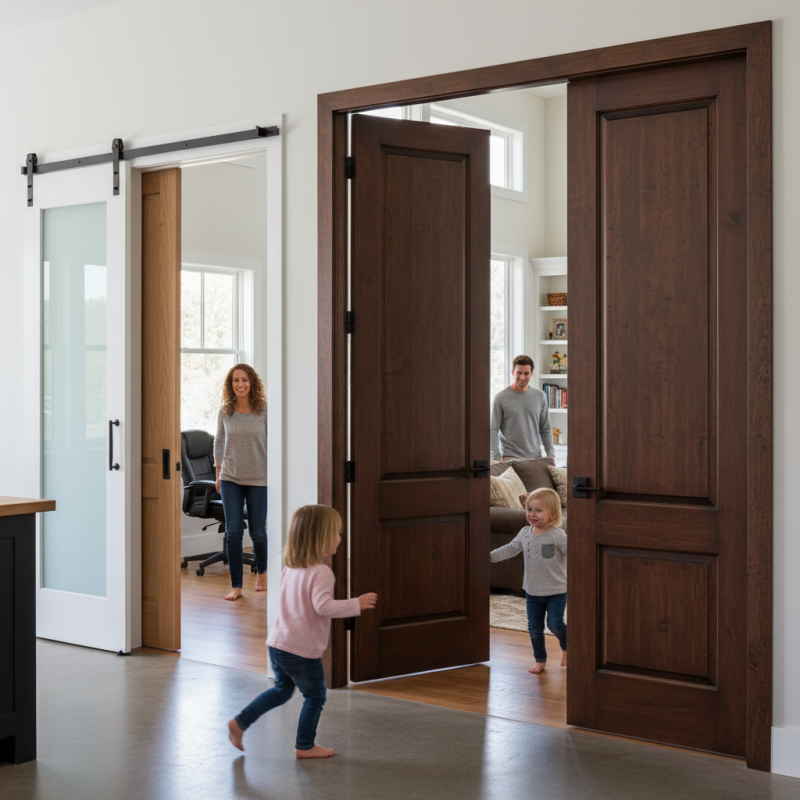
The choice of interior doors significantly affects the overall aesthetics and design flow of your home. A well-selected door can create an inviting atmosphere and connect different spaces harmoniously. For example, a sleek, modern door complements contemporary decor, while a rustic wooden door adds warmth to a traditional setting. It's crucial to consider style consistency when making your selection.
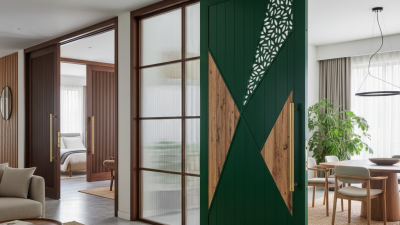
Pay attention to the color and finish of your doors. Subtle hues may blend seamlessly into walls, while bold colors can serve as eye-catching focal points. Experimentation is vital here, as a color that seems perfect in the store might not match the home’s vibe. Reflect on how light interacts with the choice—does it brighten the room or create shadows?
Tips:
When selecting doors, visualize how they will interact with furniture and artwork. A simple door can clash with intricate designs; balance is key. Consider the scale of the door—too large or small can disrupt spatial harmony. Lastly, don't hesitate to test different door styles in your space before finalizing. Sometimes, what feels right intuitively is the best choice.
Why Choosing the Right Interior Doors is Important for Your Home?
| Aspect |
Impact on Home Aesthetics |
Impact on Design Flow |
Considerations |
| Material |
Wooden doors add warmth and texture. |
Material affects weight and durability; affects flow between rooms. |
Consider durability and maintenance requirements. |
| Color |
Colors can set the mood for a room. |
A cohesive color scheme enhances flow and connection between spaces. |
Choose colors that complement overall decor. |
| Style |
Style contributes to the overall theme of the home. |
Consistent styles maintain visual appeal and flow. |
Ensure stylistic consistency across all doors. |
| Size |
Size impacts the perception of space. |
Inappropriate sizing can disrupt the flow; proper sizing enhances connectivity. |
Measure frames accurately before ordering. |
| Functionality |
Functional designs can enhance convenience. |
Effective functionality supports seamless transitions between rooms. |
Consider the primary use of each space when choosing doors. |
The Role of Interior Doors in Enhancing Soundproofing and Privacy
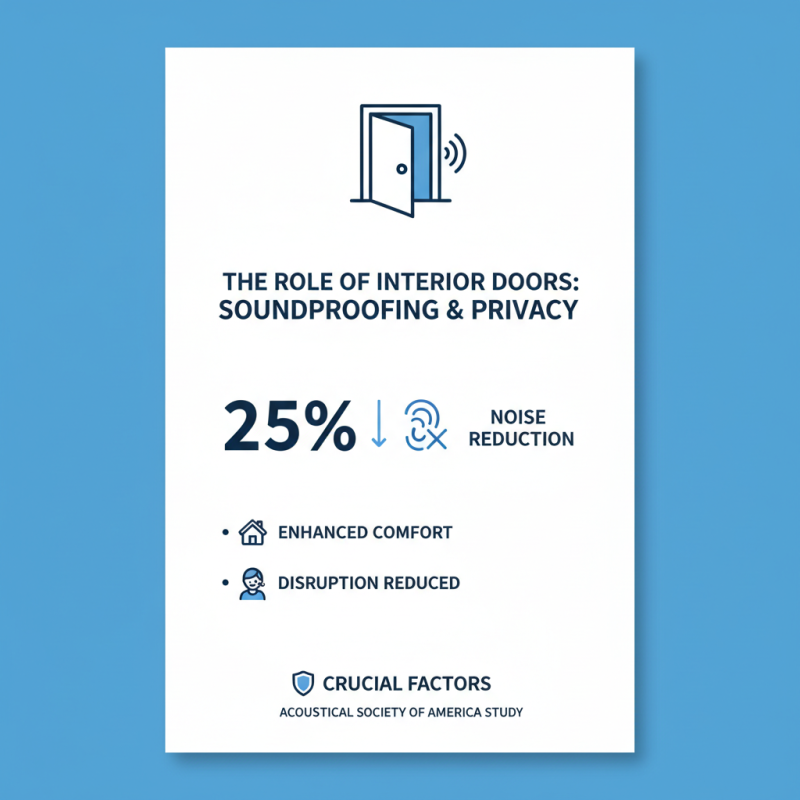
When selecting interior doors, soundproofing and privacy are crucial factors. Poor sound insulation can disrupt daily activities. A study by the Acoustical Society of America found that effectively designed doors can reduce noise transmission by 25% or more. This can significantly enhance the comfort of living spaces.
To improve soundproofing, consider door materials and construction. Solid-core doors are often better than hollow-core versions. The density of the material absorbs sound waves. Installing weather stripping around the edges also helps in minimizing sound leaks. In noisy neighborhoods or shared living spaces, this can make a substantial difference.
Privacy is another pivotal aspect. Interior doors act as barriers to personal spaces. In homes with work-from-home setups, creating quiet zones is necessary. A simple change, like adding a door lock, can enhance privacy in bedrooms and offices. Remember, open doorways can lead to distractions. Ensure your home design prioritizes these elements for better functionality.
Understanding the Energy Efficiency Benefits of Modern Interior Doors
When choosing interior doors, energy efficiency is a crucial factor. Modern interior doors are designed to minimize air leaks. This helps maintain a comfortable temperature in your home. By reducing drafts, you can save on heating and cooling costs. Homeowners often overlook this, but it can make a big difference.
Tips for selecting energy-efficient doors include checking the materials. Solid core doors provide better insulation than hollow core options. Look for doors with weather stripping. This can further reduce air leakage. Don’t underestimate the importance of proper installation. A poorly installed door can let in unwanted outside air.
Consider the style of your home as well. Modern doors come in various designs. They should blend well with your home’s aesthetic while still being functional. Maintenance matters too. Some doors require more upkeep than others. Reflect on what fits your lifestyle best. Energy-efficient doors can enhance comfort, but personal preference is key.
Energy Efficiency Benefits of Modern Interior Doors
Essential Factors in Choosing the Right Materials for Interior Doors
Choosing the right materials for interior doors is essential. Different materials affect aesthetics, functionality, and durability. Wood doors offer warmth and elegance. However, they may warp over time in humid climates. On the other hand, metal doors provide strength and security but can feel cold and uninviting in living spaces.
Composite materials present a balanced option. They mimic wood's aesthetic while resisting moisture and wear. Yet, some composites may lack the charm of real wood. Consider how each material fits your overall home design. Evaluating soundproofing capabilities is also vital. Thin doors might not provide the privacy desired in bedrooms.
Style and color play significant roles too. A mismatched door can disrupt a room’s flow. Think about how every detail impacts your home’s character. Selecting the right interior doors requires thoughtful consideration, but many overlook these factors. Reflect on the long-term effects of your choices.
Statistical Trends: How Interior Doors Affect Home Property Value
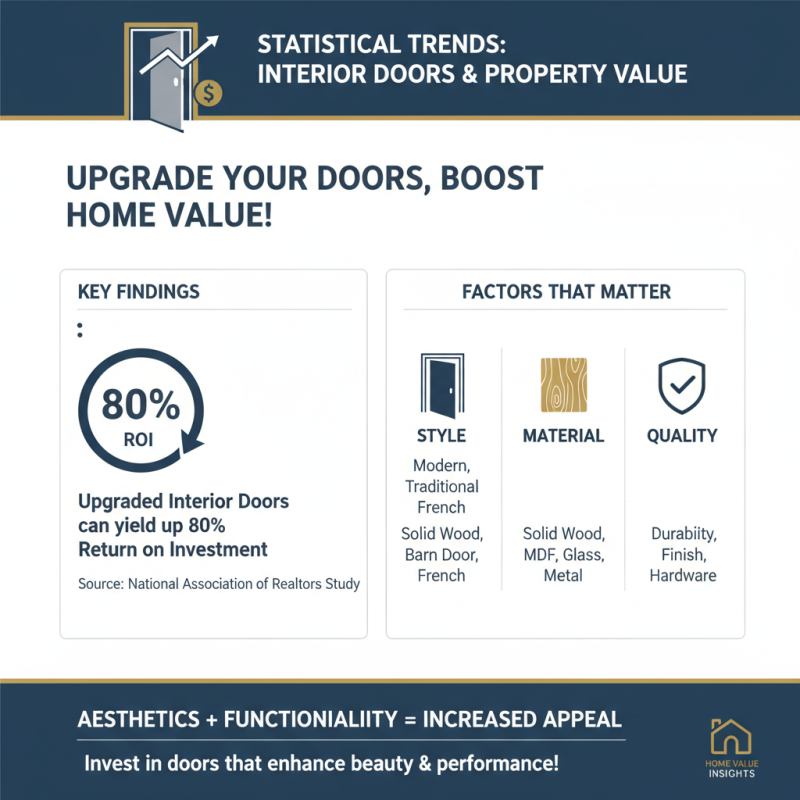
Choosing the right interior doors can significantly influence your home's property value. According to a study by the National Association of Realtors, homes with upgraded interior doors can see a return on investment of up to 80%. The style, material, and quality of doors do matter. A well-chosen door can improve aesthetics and functionality, creating a more appealing environment.
Tips for selection: Consider your home's overall design. A modern home might benefit from sleek, minimalist doors, while a traditional setting could suit wood panel styles. Pay attention to colors as well; neutral tones often attract buyers more than bold or unusual colors.
Recent data reveals that homes with consistent door styles throughout the property tend to sell faster. However, many homeowners overlook this detail. Skipping proper door selection can lead to missed opportunities for a higher sale price. Remember, door choices should align with both personal preference and market trends to maximize value.