Why Is Door by Door Sales Still Effective Today?
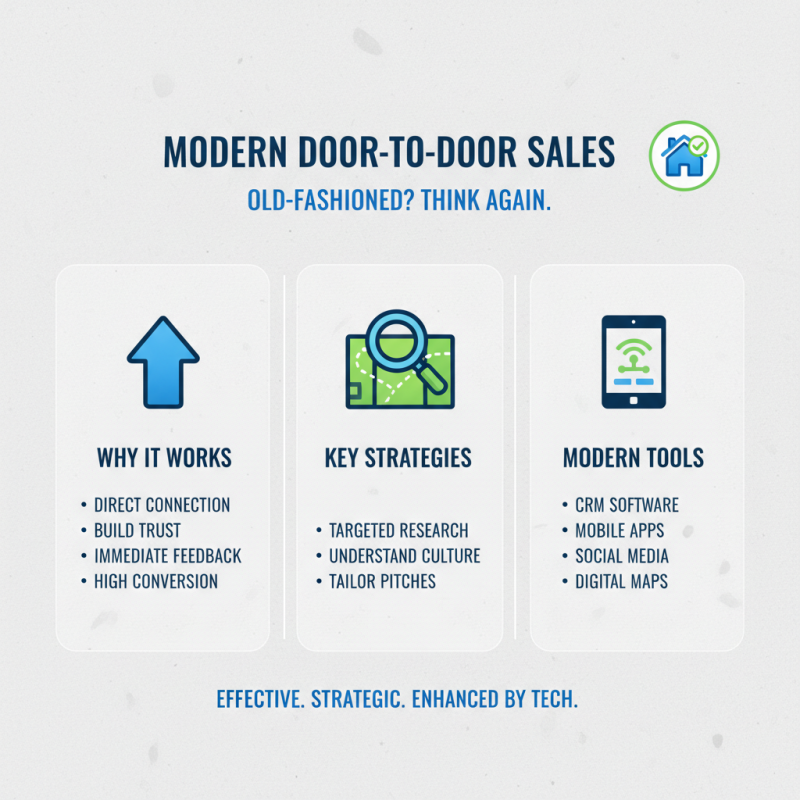
Door by door sales continue to thrive in today's digital age. Despite the rise of online marketing, face-to-face interactions remain powerful. According to a survey by the Direct Selling Association, about 30% of consumers prefer in-person sales approaches. This suggests a significant market exists for door by door tactics.
Engagement is a crucial factor. Customers value personal connections. In communities, local representatives can build trust. They often deliver product demonstrations that leave lasting impressions. Customers feel more secure when interacting directly with salespeople. The tactile experience of products can sway decisions significantly.
However, not every interaction is effective. Sales representatives sometimes face rejection or indifference. There are challenges in identifying the right neighborhoods to target. It requires careful planning and time. Nonetheless, door by door sales remain a relevant strategy, blending traditional methods with modern needs for personal connection.
The Historical Context of Door-to-Door Sales Practices
Door-to-door sales have a rich history that dates back centuries. This method began as a way for peddlers to reach rural communities. In those days, many relied on direct interactions to purchase goods. They would carry wares and offer personal service. This created trust, which is crucial for sales.
Today, personalized interaction remains vital. People are often overwhelmed by online ads. They crave real conversation and genuine connections. When someone knocks on the door, it can break the monotony of daily life. A face-to-face encounter feels more personal. However, striking the right tone is essential. Too pushy, and potential customers might feel uncomfortable. Too passive, and they may lose interest.
**Tip:** Practice your pitch. Make it engaging but respectful. Gauge responses from potential customers and adapt.
Cultural shifts have shaped sales methods over the years. Not everyone appreciates door-to-door visits. Some prefer technology and online shopping. Yet, those who embrace this method foster loyalty. It offers a unique chance to make a lasting impression.
**Tip:** Use historical context to connect. Share stories of past customers or local traditions. This can create rapport and intrigue.
Why Is Door by Door Sales Still Effective Today?
| Aspect |
Details |
| Historical Origin |
Begins in the late 19th Century as a direct sales method. |
| Personal Touch |
Allows for direct interaction and relationship building with customers. |
| Tailored Approach |
Salespeople can customize their pitch based on immediate feedback. |
| Cost-Effectiveness |
Low overhead compared to retail spaces. |
| Community Engagement |
Fosters local connections and community trust. |
| Adaptability |
Able to adjust tactics based on varying demographics and customer needs. |
| Technological Integration |
Utilizing mobile payment and CRM tools to enhance the sales process. |
The Psychology Behind Face-to-Face Interactions in Sales
Face-to-face interactions in sales create a unique connection. When a salesperson
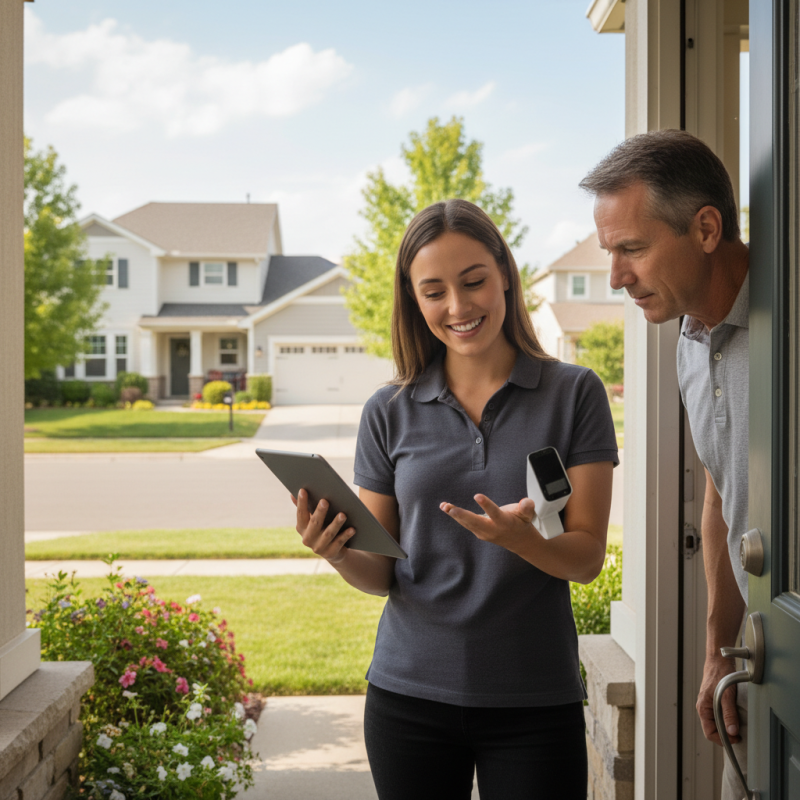
knocks on a door, they're not just selling. They are engaging in a personal conversation. This personal touch can be powerful. It builds trust more effectively than a cold call.
People often feel more valued when treated as individuals, rather than just numbers.
Psychology plays a role here. Eye contact, body language, and tone influence feelings. When a salesperson smiles, it can create a warm atmosphere. This physical presence often leads to quicker decisions.
However, not every interaction is perfect. Some salespeople may feel awkward or nervous. This vulnerability can affect their performance.
Rejection is part of the process. Many doors will remain closed. This can be discouraging. But, it also provides valuable lessons. Each interaction is an opportunity to improve.
Developing resilience is vital. Building rapport takes time and effort. This constant refinement of skills is what makes
door-to-door sales effective.
The Importance of Personalization in Customer Engagement
Door-to-door sales thrive today due to the power of personalization. Connecting with potential customers in their own environment creates a unique experience. Salespeople can read body language and gauge reactions instantly. This face-to-face interaction fosters trust and rapport.
Personalization goes beyond just names. It’s about understanding needs. When a salesperson customizes their pitch, it resonates more deeply. Recognizing a homeowner’s interests can change everything. Someone may appreciate energy-efficient solutions over merely flashy new products. These tailored conversations can spark genuine connections.
However, not every interaction is perfect. Some potential customers may feel overwhelmed or skeptical. In those moments, patience is crucial. Adjusting your approach based on feedback can lead to better outcomes. Embracing imperfection allows for growth. Reflecting on these experiences helps refine sales strategies. Individualized engagement remains vital in standing out in a crowded market.
Challenges and Advantages of Door-to-Door Sales Today
Door-to-door sales continue to thrive despite technological advancements. The challenges are evident. Many consumers view door-to-door approaches as intrusive. A survey by the National Sales Association found that 74% of people prefer online shopping over in-person pitches. However, this method fosters personal relationships that online sales often lack.
Despite the perceptions, door-to-door sales have merits. The Direct Selling Association reports that 18 million Americans are involved in direct selling. This figure underscores the method's relevance. One-on-one interaction helps establish trust. Sales reps can tailor their pitch based on immediate feedback. Yet, rejection rates remain high. Salespeople often hear “no” more than “yes.”
Finally, adapting to modern consumer behavior is crucial. Many sellers now combine traditional techniques with digital strategies. Utilizing social media for follow-ups is one effective approach. Though challenging, the potential for face-to-face connection can greatly influence purchasing decisions. Balancing technology and personal interaction is a constant journey for sales teams today.