10 Essential Tips for Choosing Quality Exterior Doors for Your Home?
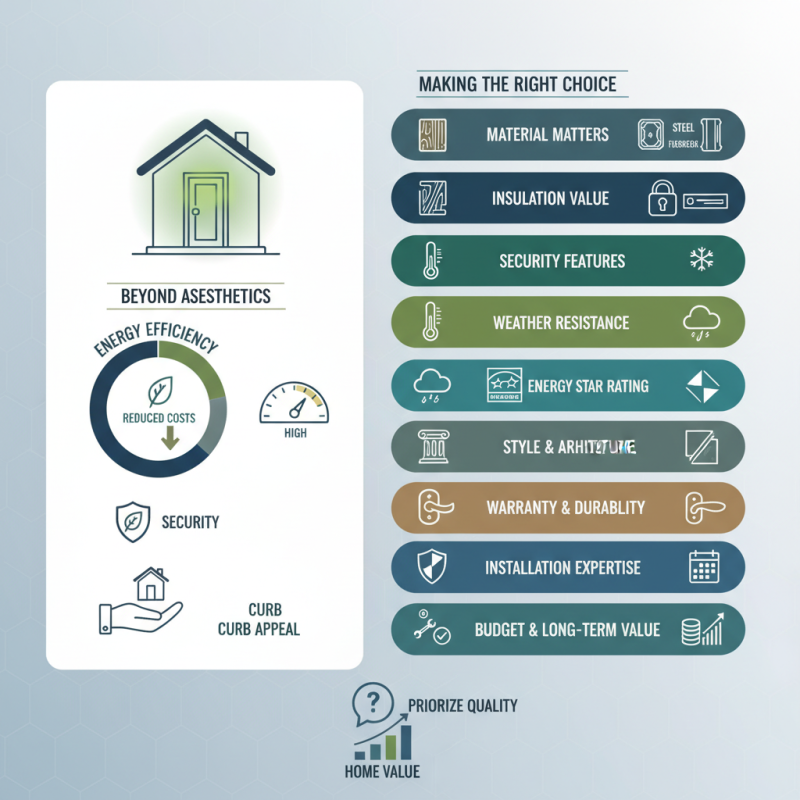
When selecting quality exterior doors for your home, the impact goes beyond aesthetics. According to a recent report by the National Association of Home Builders, nearly 70% of homeowners report energy efficiency as their top priority. Quality exterior doors can significantly enhance insulation, resulting in reduced energy costs. As industry expert John Smith states, “Investing in quality exterior doors is not just a choice; it’s a necessity for long-term savings.”
Choosing the right door also influences security and curb appeal. A well-designed door adds character to your home while ensuring safety. Yet, many homeowners overlook essential factors, leading to regretful decisions. In a survey by Remodeling Magazine, 40% of respondents regretted not prioritizing quality in their door selection. This highlights the need for deeper consideration when making such an investment.
In an age of increasing consumer awareness, understanding the benefits of quality exterior doors becomes crucial. Your choice not only affects your home’s image but also its overall performance and value. With various options available, it is vital to weigh aesthetics against functionality. Prioritize quality to secure your home’s future.
Understanding Different Types of Exterior Doors: Materials and Styles
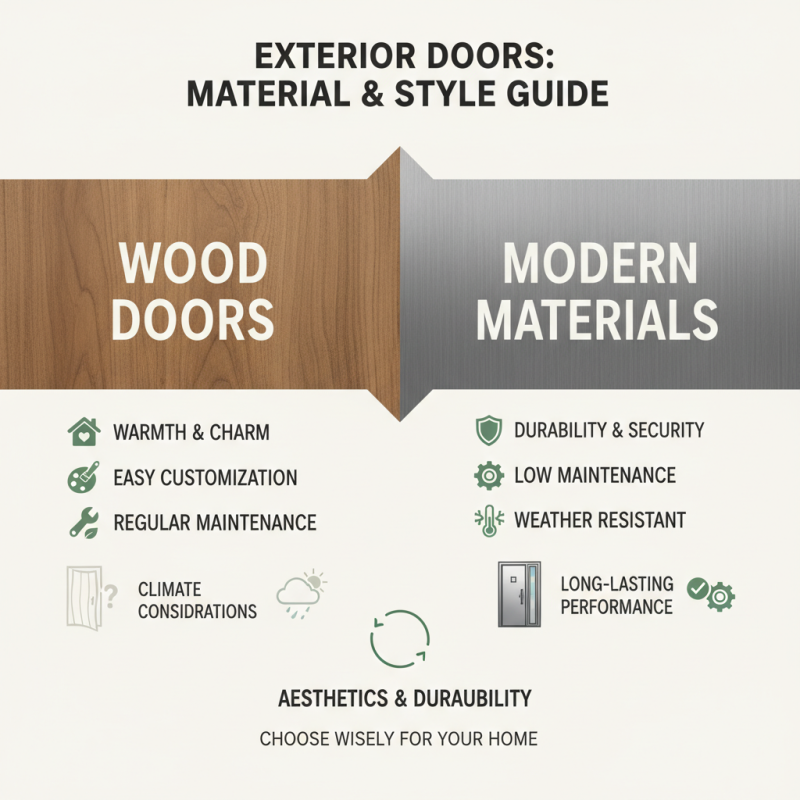
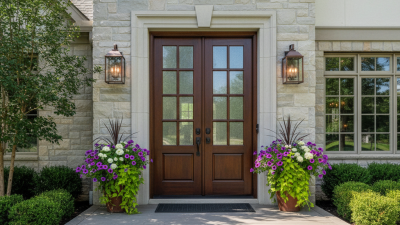
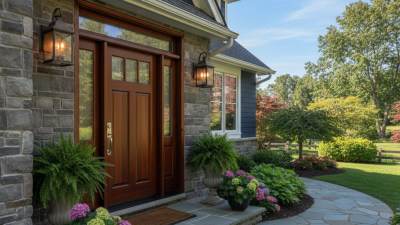
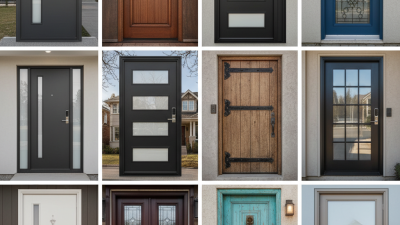
When selecting exterior doors for your home, material and style significantly impact aesthetics and durability. Wood doors exude warmth and charm. They can be customized easily, but they require regular maintenance. Over time, their surfaces might fade or warp. Consider the local climate, as extreme weather can affect wood.
Steel doors are robust and secure. They offer excellent insulation and weather resistance. However, some designs may lack the intricate details found in wood. This can make them feel a bit sterile. In contrast, fiberglass doors combine durability and style. They mimic wood's appearance while resisting dents and corrosion. Yet, not all fiberglass options provide great insulation.
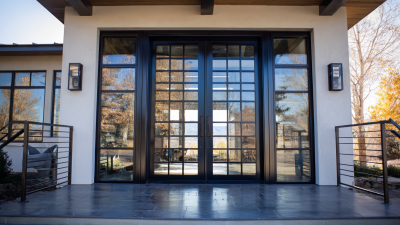
Entryways also vary in design. Traditional doors tend to have classic, appealing styles. Modern doors often feature sleek lines and minimalistic designs. Each style complements different home architectures. Think about your home's character. Sometimes, it takes time to find the perfect match. Don't rush the decision. Consider how a door will look through seasons and years.
Evaluating Energy Efficiency Ratings for Exterior Doors: Importance and Impact
When choosing exterior doors, energy efficiency is critical. The U.S. Department of Energy states that up to 30% of a home’s heating and cooling costs can be linked to air leaks. An aptly rated door can significantly reduce energy consumption. Look for doors with a high R-value. This indicates better insulation. In colder climates, investing in doors with a U-factor of 0.20 or lower is crucial.
Understanding energy efficiency ratings can be complex. The Energy Star label can guide your decisions. However, not all products labeled Energy Star meet the same standards. Learn what each rating means. For instance, a door with an R-value of 5 is better at insulation than one rated at 2. Yet, some high-R-value doors may sacrifice aesthetics or functionality.
Even with the best ratings, real-world performance can vary. Installation plays a role. Improperly sealed doors can diminish energy savings. Always consider potential air leaks. Relying solely on ratings might not capture a door's true performance. Therefore, examine customer reviews and installation tips before making a choice. This balance is key to ensuring you make an informed decision.
Assessing Security Features in Exterior Doors: Must-Have Elements
When choosing exterior doors, security features should be a top priority. Reports indicate that nearly 34% of burglaries occur through an exterior door. This statistic highlights the need for sturdy, reliable options. Reinforced doors made from solid wood or metal can significantly deter unauthorized entry. Look for doors that have at least a 1-inch thick frame.
Locks play a crucial role in door security. Deadbolt locks are highly recommended. They are more challenging to pick and resist forced entry. According to data from the National Crime Prevention Association, homes with deadbolts are 15 times less likely to be burglarized. Additionally, consider doors with multi-point locking systems. These locks secure the door at multiple points, increasing resistance against forceful attempts.
Another essential element is door visibility. A door with reinforced glass panels might look appealing. However, they can be a weak point if not designed correctly. Opt for impact-resistant glass. It can prevent break-ins while maintaining aesthetic appeal. Ensure that your choice aligns with local safety standards. This not only enhances security but contributes to your home's overall safety profile.
10 Essential Tips for Choosing Quality Exterior Doors for Your Home
| Feature |
Description |
Importance Level (1-5) |
| Material |
Choose between wood, fiberglass, and steel for durability and aesthetics. |
5 |
| Energy Efficiency |
Look for doors with good insulation properties to maintain indoor temperatures. |
4 |
| Security Features |
Ensure doors have strong locks and deadbolts for enhanced security. |
5 |
| Style |
Select a style that matches your home's architecture. |
3 |
| Price |
Consider your budget while looking for quality doors. |
4 |
| Maintenance |
Opt for low-maintenance materials to save time and effort. |
3 |
| Warranty |
Check for warranties that cover defects or issues over time. |
4 |
| Installation |
Consider hiring a professional for proper installation. |
5 |
| Customization |
Look for options to customize size, color, and finish. |
3 |
| Glass Inserts |
Choose doors with tempered or double-glazed glass for safety and efficiency. |
4 |
Importance of Proper Sizing and Installation Techniques for Exterior Doors
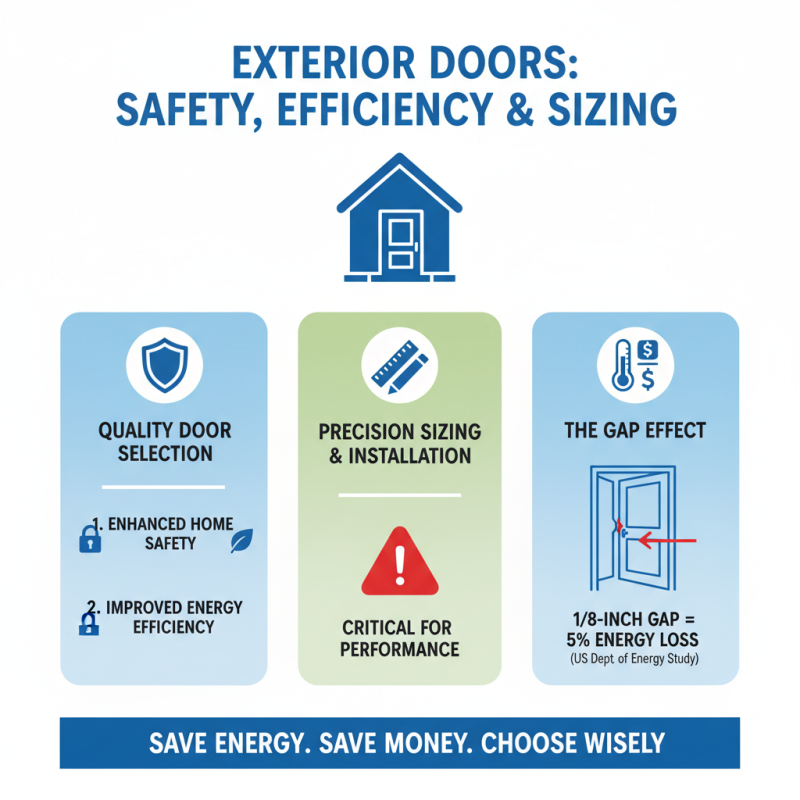
Choosing quality exterior doors is critical for your home’s safety and energy efficiency. However, proper sizing and installation are equally important. A poorly sized door can lead to drafts and higher energy bills. According to a study by the US Department of Energy, a 1/8 inch gap can result in a 5% energy loss. This shows how crucial exact measurements are.
Installation techniques significantly impact door performance. A door needs to be plumb, level, and square to function properly. If it isn’t, it might warp or let in water. A report from the National Association of Home Builders highlights that improperly installed doors can lead to up to a 30% increase in moisture-related issues. This not only affects the door but can also harm your home's structure. It’s vital to ensure that both the door and frame are secured correctly, which can save homeowners from future headaches.
Incorporating these principles into your decision-making process requires thought. While many focus on aesthetics, the practicality of dimensions and installation shouldn’t be overlooked. Mistakes made in these areas can lead to costly repairs. Investing in quality doors is essential, but so is the expertise used during installation. The balance of both elements is what provides long-lasting performance and peace of mind.
Maintenance Tips for Longevity: Caring for Your Exterior Doors
Caring for your exterior doors is crucial for their longevity. Proper maintenance not only enhances their appearance but also extends their lifespan. Here are some tips to keep your doors in great shape.
Regularly clean your exterior doors using mild soap and water. Dirt and grime can cause damage over time. Pay attention to hinges and weather stripping. Inspect these areas for any signs of wear. A simple wipe-down can prevent bigger issues later.
Consider reapplying paint or sealant every few years. This protects wooden doors from moisture. Look for cracks or peeling paint as signs that it's time to refresh. Regular lubrication of the hinges also keeps them functioning smoothly.
Ensure your doors are weather-resistant. Use door sweeps and thresholds to prevent drafts. In winter, check for ice buildup. Over time, exposure to extreme weather can lead to deterioration. Small actions today can save you headaches tomorrow.