10 Essential Tips for Choosing the Best Wood Doors for Your Home?
When it comes to enhancing your home’s aesthetics, wood doors play a crucial role. These doors not only offer durability but also a timeless elegance. Choosing the right wood doors can feel overwhelming. Various styles and finishes are available, making decisions difficult. You may find it hard to balance aesthetics and functionality.
Consider the type of wood used. Different species offer unique textures, colors, and grain patterns. Softwoods bring warmth, while hardwoods provide strength. You should also think about the door's function. Will it be an interior or exterior door? This choice affects material and design.
Don’t overlook the importance of proper maintenance. Wood doors require care to maintain their beauty. Regular staining or painting can prevent deterioration. Weigh the pros and cons of different options to find the best fit. With careful consideration, you can select stunning wood doors that elevate your living space.
Understanding Different Types of Wood Used in Door Manufacturing
When selecting wood doors, understanding the types of wood is crucial. Different woods have unique qualities that influence durability and aesthetics. For instance, oak is well-known for its strength and resistance to wear. It is often used in high-traffic areas due to its durability. According to a recent industry report, oak doors can last over 30 years with proper maintenance.
Another popular choice is pine, known for its affordability. Pine offers a rustic charm, but it is softer and may dent more easily. A 2022 survey found that 40% of homeowners prefer pine doors for interior use. However, they may require more frequent refinishing due to wear. Acknowledging these details can help you choose wisely.
Manufacturers also use mahogany for its elegant appearance. It provides a stunning finish but can be costly. The same report indicates that mahogany doors can increase home value by up to 15%. However, sourcing mahogany sustainably is a concern. This aspect adds complexity to the decision-making process. Consider the environmental impact of your choice, alongside durability and cost.
Identifying Your Home's Style to Match with Wood Door Designs
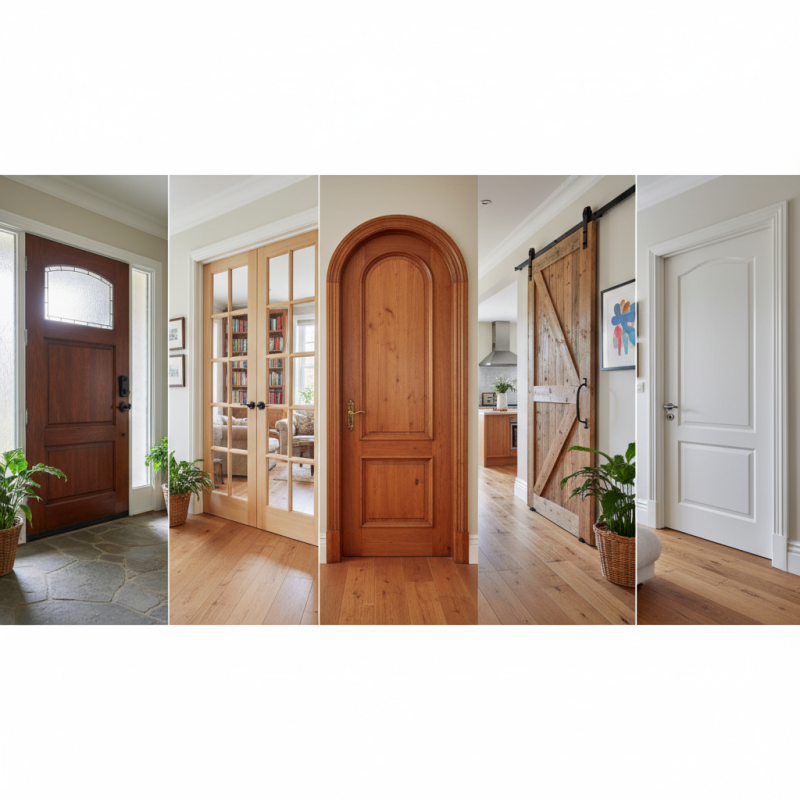
Choosing the right wood doors for your home can truly enhance its overall aesthetic. The key lies in identifying your home's style. Is it modern, rustic, or perhaps traditional? Each style calls for different wood door designs. For example, sleek, minimalist doors fit well in contemporary homes. Meanwhile, ornate doors may better suit a classic environment.
Pay attention to texture and finish. A rough-hewn, distressed look may complement a farmhouse style. In contrast, smooth, polished surfaces serve well in modern settings. Color also plays a crucial role. Warm, rich woods like mahogany can add elegance, while light woods like pine can create a more casual vibe.
Reflecting your personal style is important. Sometimes, the obvious choice may not resonate with your vision. Explore what speaks to you, even if it feels unconventional. Mixing styles could lead to surprising results.
Balance is key, yet don't be afraid to experiment. A door can tell a story if chosen mindfully. Aim for character rather than perfection; that’s where the charm lies.
Evaluating Durability and Weather Resistance of Wood Doors
When selecting wood doors for your home, durability and weather resistance are crucial factors. High-quality wood can withstand different climates. According to industry reports, doors made from solid wood varieties like oak or mahogany show superior resistance to weather-related damage. These woods can last up to 50 years when properly maintained.
However, not all wood doors reflect this durability. Many options may warp or swell under extreme humidity or fluctuating temperatures. This makes it essential to consider the local climate when choosing materials. Doors treated with protective finishes enhance their resistance to moisture. Yet, the application must be timely and regular to maintain effectiveness. Neglected doors can easily deteriorate, leading to costly replacements.
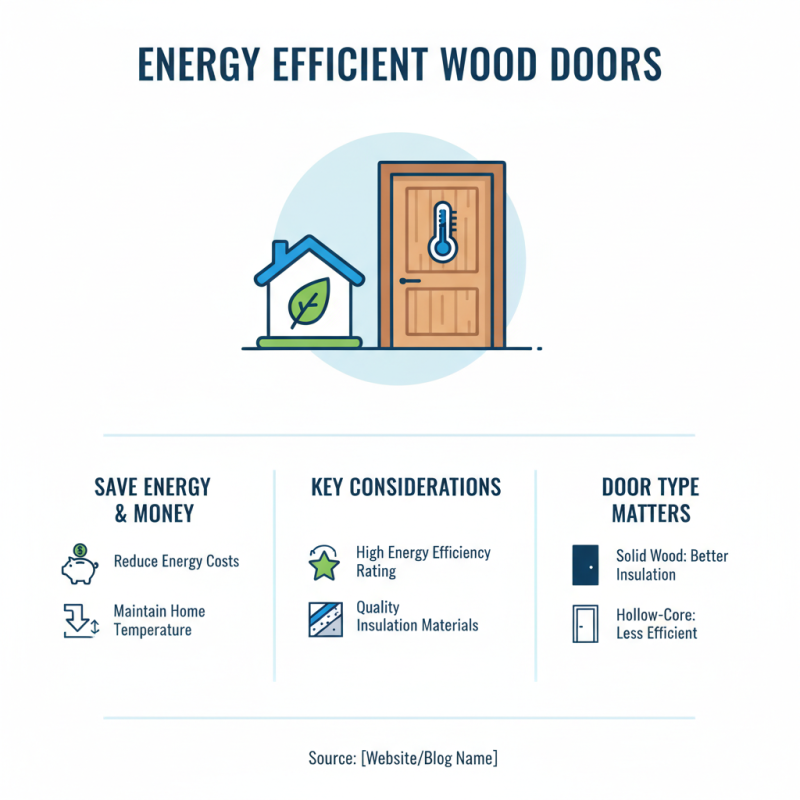
It's also vital to assess compartmentalization in construction. Poorly insulated doors often allow drafts. This not only affects comfort but increases energy costs. Research indicates that well-sealed doors reduce energy loss by 20%. Investing in the right wood door goes beyond aesthetics; it plays a significant role in the overall energy efficiency of your home. Balancing beauty with functionality is a challenge but key for long-term satisfaction.
10 Essential Tips for Choosing the Best Wood Doors for Your Home
| Tip |
Description |
Material Options |
Durability Rating |
Weather Resistance |
| 1. Consider Wood Type |
Choose a wood that is naturally resistant to rot and insect damage. |
Oak, Mahogany, Cedar |
High |
Good |
| 2. Evaluate Thickness |
Thicker doors are generally more durable and offer better insulation. |
Solid vs. Hollow core |
Varies |
Variable |
| 3. Finish and Treatment |
Select a good stain and sealant to protect from moisture and UV. |
Varies by finish |
High |
Excellent |
| 4. Inspect Construction Quality |
Check for solid joinery and high-quality materials. |
Solid wood construction |
High |
Good |
| 5. Energy Efficiency |
Look for doors with good insulation properties to save energy. |
Insulated Wood Core |
Moderate to High |
Good |
| 6. Maintenance Requirements |
Consider how often you'll need to maintain the door. |
Sealed vs. Unsealed |
Varies |
Variable |
| 7. Hardware Compatibility |
Ensure that the door is compatible with the hardware you plan to use. |
Standard Hinges, Locks |
High |
Good |
| 8. Aesthetic Appeal |
Choose a design that complements your home’s architecture. |
Panel Styles, Carvings |
N/A |
N/A |
| 9. Cost Considerations |
Set a budget and compare quality and price. |
Wood Quality vs. Cost |
Varies |
N/A |
| 10. Warranty Options |
Check for warranties that cover damage and defects. |
N/A |
N/A |
N/A |
Assessing Price Points and Budget Constraints for Wood Doors
When selecting wood doors for your home, understanding your budget is crucial. Prices vary greatly based on wood type, style, and craftsmanship. Solid wood doors tend to be more expensive, but they add charm and durability. Conversely, hollow-core doors offer a more economical option. They are lighter but may not have the same aesthetic appeal.
Consider how many doors you need. It’s easy to overlook costs while imagining your dream home. Sometimes, opting for a less expensive wood can free up funds for decorative hardware. This approach can improve your space's overall look without breaking the bank. Assessing your budget requires careful thought.
Don’t forget about installation costs as well. You might buy the most beautiful door, but poor installation can ruin the effect. If you’re handy, DIY can save money. However, a professional will ensure a perfect fit and finish. Balancing costs with quality is challenging but essential.
Price Comparison of Different Wood Door Types