Top 10 Commercial Doors for Your Business Needs?
When it comes to running a successful business, the choice of commercial doors is crucial. These doors not only provide security but also enhance the overall aesthetics of your establishment. Selecting the right type of commercial doors can amplify your brand image and improve customer experience.
Consider the various functionalities available in commercial doors. Some are designed for high traffic, while others focus on energy efficiency. A door can also serve as a barrier against noise and harsh weather. Reflecting on your specific needs is essential. Have you thought about durability? Some doors may wear out quicker than expected.
It's easy to overlook details. For instance, the type of finish on a door affects its maintenance. Additionally, accessibility features are paramount. What works for one business may not suit another. Understanding these aspects can lead to better choices in commercial doors that align with your business goals.
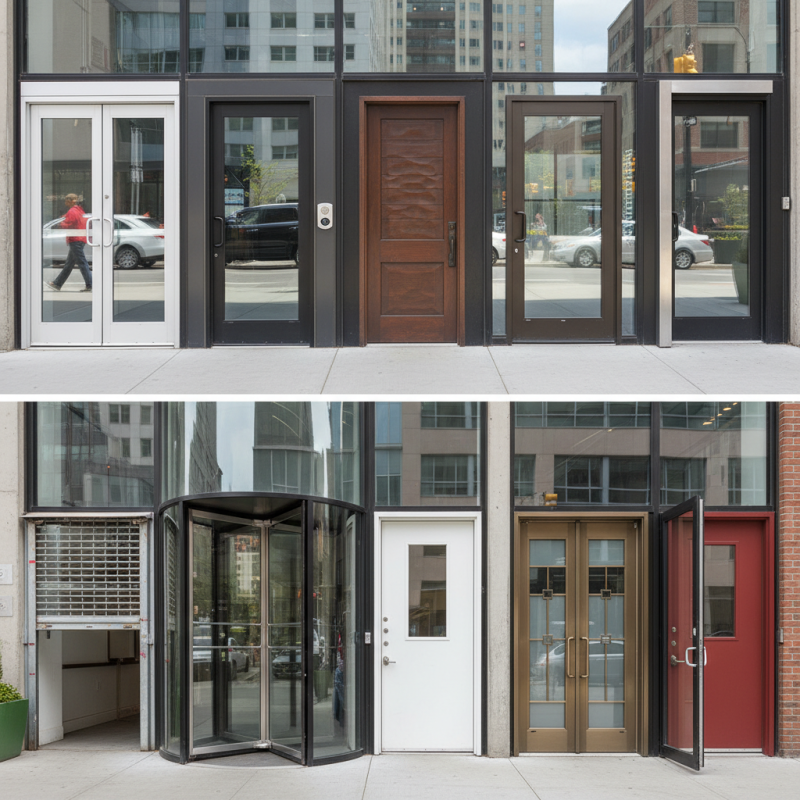
Types of Commercial Doors and Their Unique Features
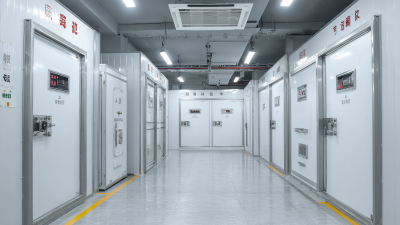
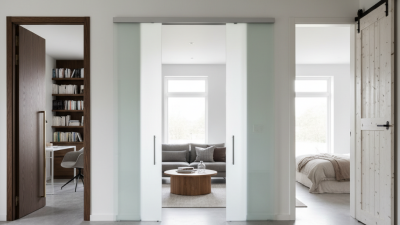
When selecting commercial doors, understanding their unique features is essential. Different types serve various purposes and functions. For example, glass doors offer visibility and style, perfect for retail spaces. They create an inviting atmosphere while showcasing products. On the other hand, steel doors provide security and durability. They protect against unauthorized access but can feel cold and unwelcoming.
Consider the function of each space. A high-traffic area may require automatic doors for convenience. These doors enhance accessibility but might need regular maintenance. Wood doors add warmth to offices but can warp over time. Take into account the climate too. In humid environments, metal doors may rust faster than expected.
Tips: Always assess the overall design of your building. Ensure your door choice complements the architectural style. A mismatched door can detract from your business image. Additionally, think about energy efficiency. Insulated doors can save on heating and cooling costs. However, cheaper options might lead to higher bills later. Evaluate your needs carefully, and don’t rush the decision.
Top Materials Used in Commercial Door Manufacturing
When choosing commercial doors, the materials play a crucial role.
Steel, fiberglass, and wood are the most common options. Steel doors offer durability and security,
making them ideal for high-traffic environments. According to a report by IBISWorld, approximately
45% of commercial doors are made from steel.
Fiberglass, on the other hand, is resistant to rust and corrosion, ideal for outdoor settings.
Interestingly, wood doors remain popular for their aesthetic appeal, making up about
25% of the market.
Tips: Consider the specific environment for your door choice. For exterior applications,
steel or fiberglass may be better. Wood adds a warm touch for entrances
but requires more maintenance.
Climate affects door material performance. For instance, metal expands and contracts with temperature changes.
This can lead to door warping over time. In humid areas, wood can swell or warp too.
Awareness of local conditions is essential when selecting a door material.
Always look for doors with warranties. This can indicate manufacturers' confidence in their products.
Lastly, discuss potential installation challenges with professionals. Each material has distinct requirements.
Installation mistakes can lead to functionality issues.
Don’t overlook this critical step in ensuring door quality and longevity.
Popular Brands and Models of Commercial Doors
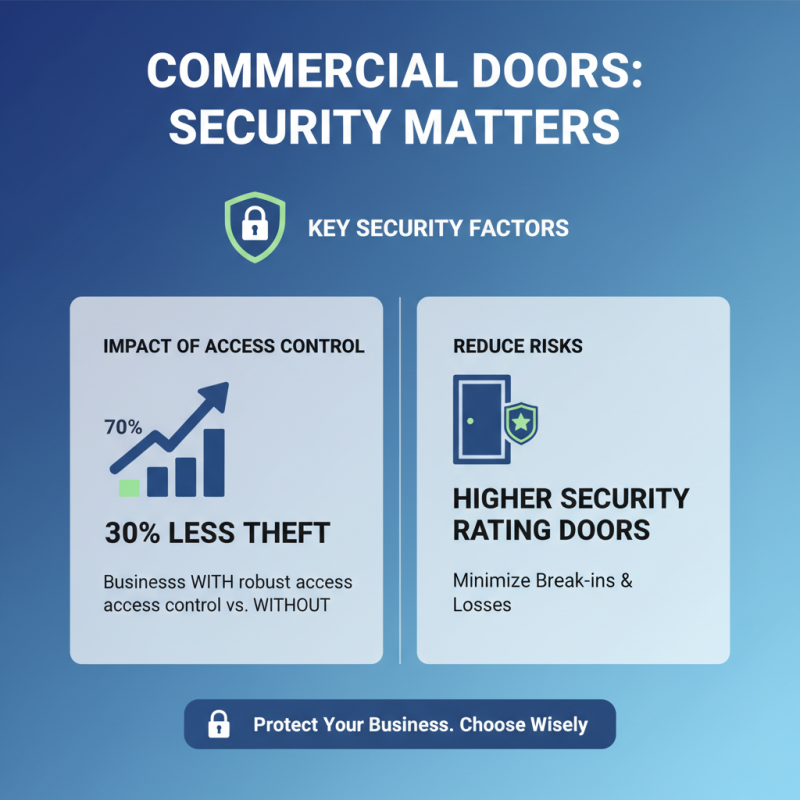
When selecting commercial doors, it's essential to consider durability and style. Reports indicate that nearly 35% of business property damages stem from security issues with doors. The right model can significantly impact safety and functionality.
Various types of commercial doors are popular among businesses. Steel doors are known for their strength and security. They can withstand extreme weather conditions, adding another layer of protection. Glass doors, on the other hand, offer modern aesthetics and visibility. They are frequently used in retail settings to draw customers in. However, their vulnerability to breakage can be a concern.
Another consideration is the energy efficiency of doors. Insulated models can reduce heating and cooling costs. According to recent studies, energy-efficient doors can save businesses up to 20% on annual energy bills.
While there are many options, finding the perfect fit for specific needs often requires careful evaluation. Not every door suits every building or purpose, and making a choice can be challenging. Listening to customer feedback can provide invaluable insights into performance and satisfaction.
Maintenance Tips for Longevity of Commercial Doors
Maintaining commercial doors is crucial for business operations. Regular checks can prevent costly repairs. Inspect the door surfaces for scratches, dents, or corrosion. These issues can lead to larger problems if left untreated. Clean the doors frequently to avoid buildup of dirt. Simple soap and water can work wonders. Sometimes, people forget about the hinges. Lubricating them is vital for smooth operation. A squirt of grease can prevent squeaks.
Monitoring the seals is also essential. They protect against weather damage and drafts. Replace any worn or damaged seals immediately. This can help maintain energy efficiency. If doors are often used, check the locking mechanisms regularly. A faulty lock can compromise security. Pay attention to how the door closes. If it slams too hard, it might need adjustments. It's easy to overlook minor issues, but they can escalate quickly.
Training staff is another key factor. Encourage them to report issues immediately. They are the first line of defense. Some may not notice problems at first, and that’s okay. Establishing a routine for checks can help. Simple reminders can ensure the longevity of your doors. Over time, regular maintenance will save money. It can also enhance the look of your business.
Top 10 Commercial Doors for Your Business Needs
| Door Type |
Material |
Security Rating |
Insulation Properties |
Maintenance Tips |
| Steel Commercial Door |
Steel |
High |
Moderate |
Regular lubrication and inspection |
| Wooden Commercial Door |
Wood |
Medium |
High |
Seal to prevent moisture damage |
| Aluminum Door |
Aluminum |
Medium |
Moderate |
Clean with mild soap and water |
| Glass Door |
Glass |
Low |
Low |
Check for cracks and clean regularly |
| Fiberglass Door |
Fiberglass |
Medium |
High |
Inspect for damage and repair as needed |
| Roll-up Door |
Steel or Aluminum |
High |
Low |
Lubricate rollers and tracks regularly |
| Fire Rated Door |
Steel |
Very High |
Moderate |
Ensure seals are intact and inspect regularly |
| Insulated Door |
Steel with insulation |
High |
Very High |
Check insulation integrity and seals |
| Automatic Door |
Aluminum or Glass |
Medium |
Low |
Regularly check sensor operation |
| Security Door |
Heavy-duty Steel |
Very High |
Low |
Check locks and hinges regularly |