Top 2026 Inside Doors Trends You Need to Know?
In the evolving world of interior design, "inside doors" are gaining significant attention in 2026. The latest trends emphasize style, functionality, and sustainability. According to a recent report by the Interior Design Association, over 70% of designers now prioritize eco-friendly materials for inside doors. This shift reflects a growing awareness of environmental impacts.
Expert in architectural design, Laura Mitchell, stated, “Inside doors are not just functional; they define the character of a space.” This perspective highlights the importance of selections that resonate aesthetically and environmentally. As homeowners seek to create more personalized interiors, unique designs with bold colors and textures have also surged in popularity.
While these trends are exciting, they prompt reflection. Many consumers remain unaware of the longevity or maintenance requirements of new materials. Quality should not be compromised for the sake of trends. Balancing style, practicality, and sustainability is essential for lasting beauty in inside doors. As the market continues to evolve, let’s remain mindful of our choices and their broader implications.
Top Color Trends for Inside Doors in 2026
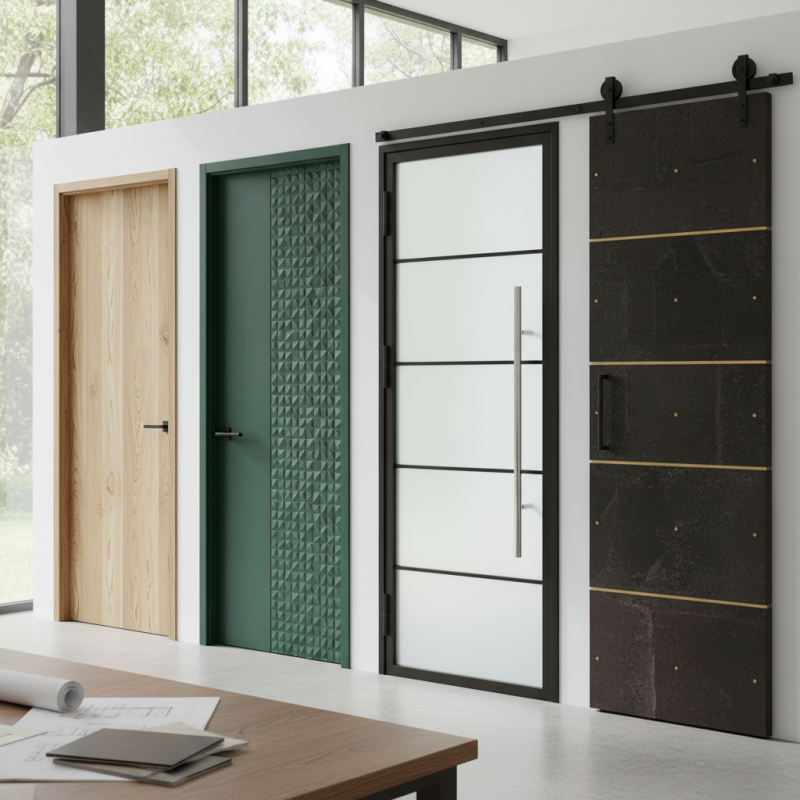
As we look ahead to 2026, color trends for inside doors reveal fascinating insights. According to a recent report by the Color Association of the United States, bold and warm colors are projected to dominate the scene. Shades of terracotta, deep greens, and vibrant coral are set to be more than just accents. They may redefine spaces, imparting personality and warmth to interiors.
Interestingly, while traditional whites and grays continue to be popular, they are expected to shift toward more muted, earthy tones. This change emphasizes a return to nature and sustainability in interior design. A study conducted by the Interior Design Society indicates that 58% of homeowners are looking for ways to incorporate these natural elements. This trend reflects a growing desire for comfort and authenticity in our living spaces.
However, the challenge remains in balancing these intense hues with overall home decor. Some homeowners may find it difficult to commit to bold colors on doors. It requires thoughtful planning and a willingness to experiment. The risk is there, but embracing change can lead to beautifully unique interiors. Color can transform a space, but not every choice resonates with every homeowner. The journey of color selection is personal and can be an emotional rollercoaster.
Top 2026 Inside Doors Trends You Need to Know
| Trend |
Description |
Color Palette |
Materials |
| Minimalist Designs |
Sleek lines and simplicity dominate, focusing on functionality. |
White, Gray, Beige |
Wood, Metal |
| Bold Colors |
Vibrant hues are used to make a statement and add personality. |
Deep Blue, Rich Green, Bright Red |
Fiberglass, Steel |
| Smart Doors |
Integration of technology for security and convenience. |
Neutral Colors with Metallic Accents |
Composite, Glass |
| Eco-Friendly Materials |
Sustainable resources are prioritized to reduce environmental impact. |
Earth Tones, Soft Whites |
Recycled Wood, Bamboo |
| Artisan Doors |
Unique handcrafted designs that reflect personal style. |
Muted Pastels, Natural Wood Finishes |
Solid Wood, Plywood |
Innovative Materials Shaping Inside Door Design in 2026
The evolution of interior door designs in 2026 is significantly influenced by innovative materials. Traditional wood doors are being challenged by alternatives that offer durability and style. For instance, bamboo and recycled materials are gaining traction. They provide aesthetic appeal while being eco-friendly. Glass doors with unique textures also add a modern touch.
**Tip:** Consider using doors made from sustainable materials. They not only benefit the environment but also enhance your home's value.
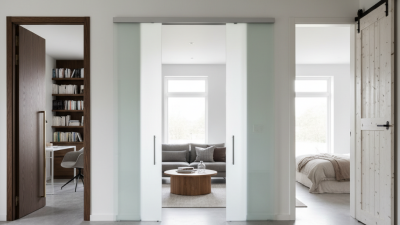
Metal accents are becoming more prominent as well. They provide an industrial vibe. This can include steel frames or hardware. Some homeowners are opting for mixed materials. Combining wood with metal or glass creates a striking contrast.
**Tip:** Experiment with contrasting materials. Balance is key to achieving a harmonious design.
Texture plays a crucial role in door design this year. Matte finishes are a popular choice, offering a sophisticated look. However, shiny surfaces can attract fingerprints, requiring more maintenance. Finding the right finish that suits your lifestyle is essential.
**Tip:** Assess your daily routine before choosing a finish. Low-maintenance options can save time in the long run.
Top 2026 Inside Doors Trends
Functional and Aesthetic Features of Modern Inside Doors
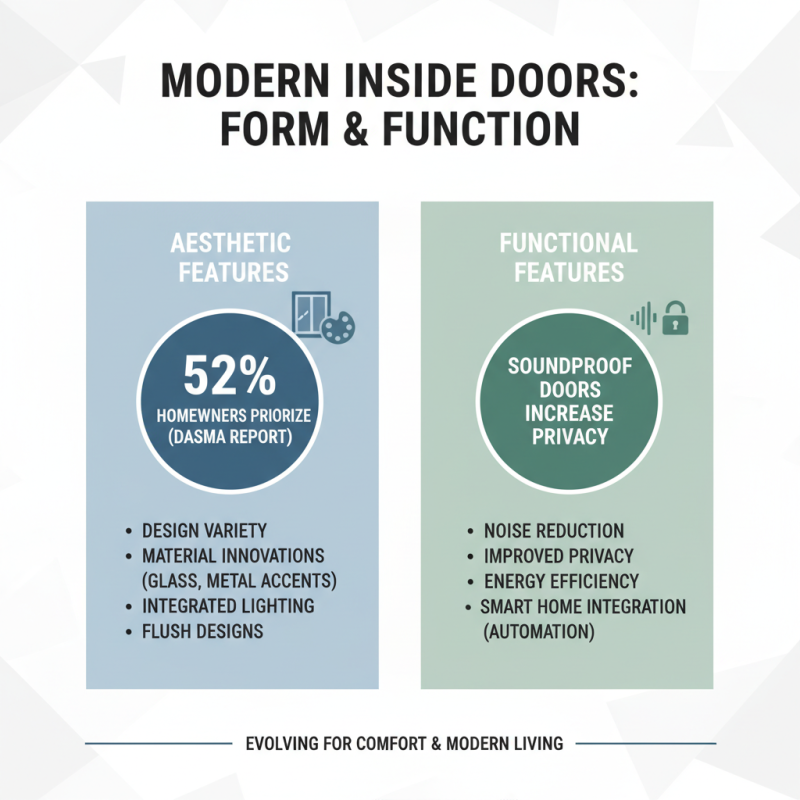
Modern inside doors are evolving to meet both functional and aesthetic needs. According to a report from the Door and Access Systems Manufacturers Association (DASMA), 52% of homeowners prioritize style when selecting interior doors. This trend goes beyond mere visual appeal and touches on performance. For example, soundproof doors are becoming increasingly popular, reducing noise levels in busy households. These innovations cater to growing demands for privacy and comfort in the home.
Design features are equally important. Sleek finishes like matte options are favored for their modern appearance. In contrast, textured surfaces provide unique touchpoints. Data from the American Wood Council highlights that 36% of buyers now seek sustainable materials in their doors, reflecting a shift towards environmental consciousness. However, some homeowners grapple with the durability of these eco-friendly options. Often, the look is prioritized over long-lasting functionality. Balancing style and practicality remains a challenge as trends continue to evolve.
Sustainable Practices in Inside Door Manufacturing for 2026
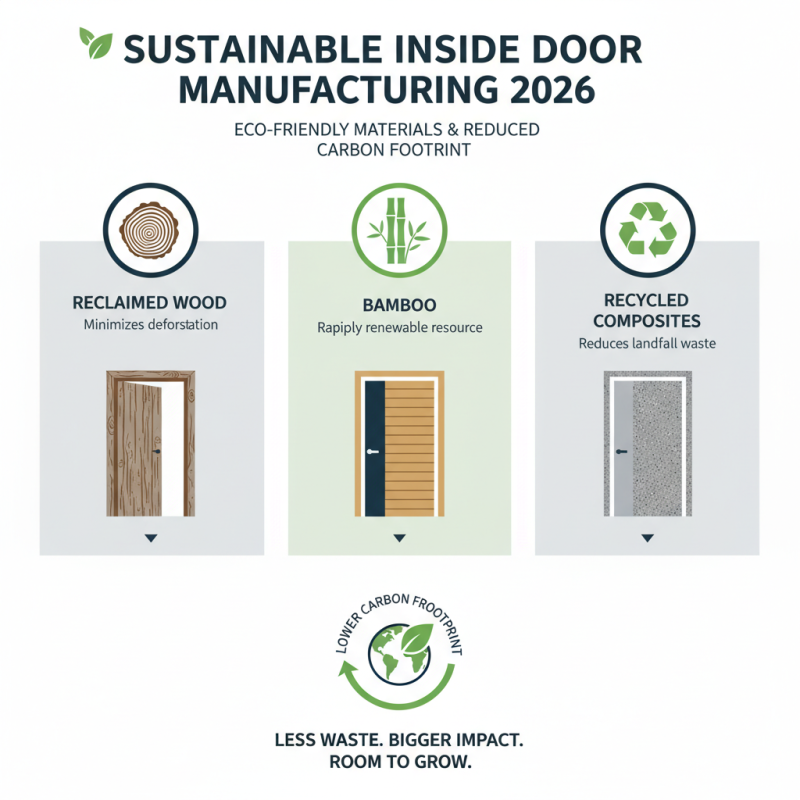
Sustainable practices are critical in the inside door manufacturing industry as we move into 2026. Many manufacturers are shifting towards eco-friendly materials. This includes reclaimed wood, bamboo, and composite materials made from recycled products. Such choices minimize waste and reduce the carbon footprint. Every bit counts, but there is still a long way to go.
Energy-efficient production methods are gaining traction. Solar energy usage in factories has increased, and some companies explore biodegradable adhesives. However, challenges remain. Not all manufacturers are fully on board with these efforts. There’s still a reliance on traditional practices that can harm the environment.
Consumer demand for sustainability is rising. This forces manufacturers to rethink their strategies. But are they doing enough? Transparency in sourcing materials is essential. Customers want to know where their doors come from. Sustainable practices must lead to genuine improvement, not just marketing.
Influence of Smart Technology on Inside Door Features and Design
The rise of smart technology is reshaping the design and functionality of inside doors. Modern doors now feature integrated sensors and automation. These enhancements allow users to unlock and operate doors via smartphones. Imagine walking into your home and the door opens as you approach, sensing your presence. This convenience is becoming a must-have.
However, the integration of smart technology is not without its challenges. Some homeowners worry about security. What if the system fails? Can it be hacked? These questions need addressing. Not everyone is comfortable with the idea of digital locks. Some prefer traditional locks, valuing simplicity and reliability.
Moreover, smart doors often require regular updates and maintenance, which can be burdensome. The technology also comes at a higher initial cost. A balance between innovation and practicality is essential. Designers must ensure that doors are not just smart, but also user-friendly. Understanding customer needs and preferences remains vital. This understanding will guide future trends in inside door design.