Top 10 Outside Door Options for Your Home Design Needs?
Choosing the right outside door for your home is crucial. It impacts both aesthetics and security. According to recent industry studies, over 70% of homeowners consider their front door a key feature in curb appeal. An attractive outside door can significantly increase your home’s value, often showing a return on investment of up to 60%.
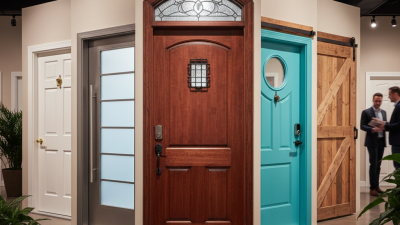
The market offers various options: wood, fiberglass, steel, and glass. Each material has its unique advantages and potential drawbacks. For instance, fiberglass offers durability but may not match the classic charm of wood. In contrast, steel doors provide superior security yet can lack the warmth associated with traditional designs. Homeowners often face challenges in balancing style and functionality.
Reflecting on personal experiences, many express frustration over choosing the right door. It’s easy to overlook the long-term performance of an outside door when focused on immediate beauty. As you explore your options, consider how each choice aligns with your vision for home design and practicality.
Top 10 Outside Door Options: A Comprehensive Guide for Homeowners
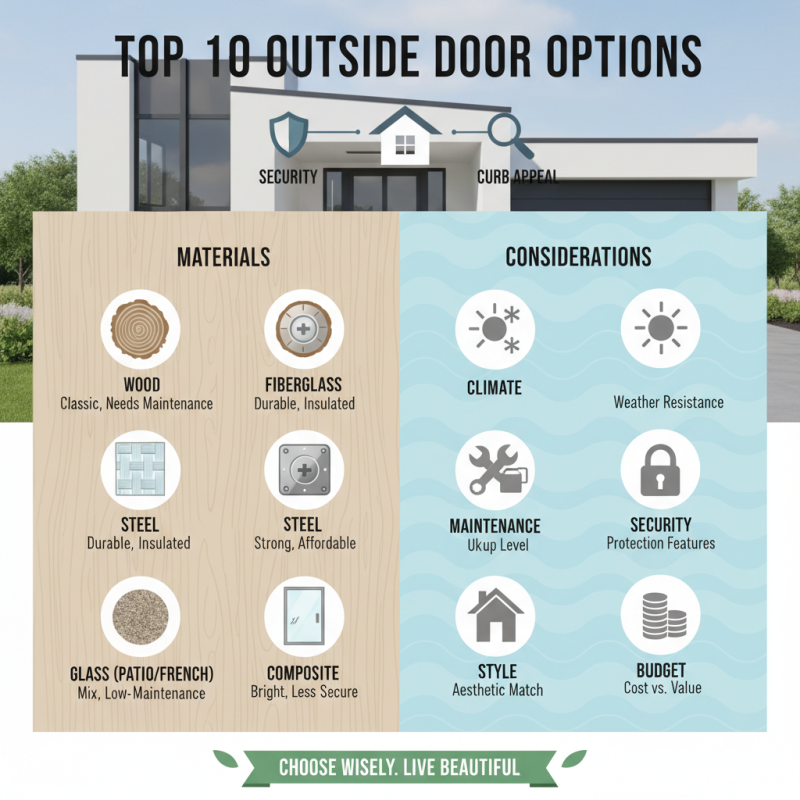
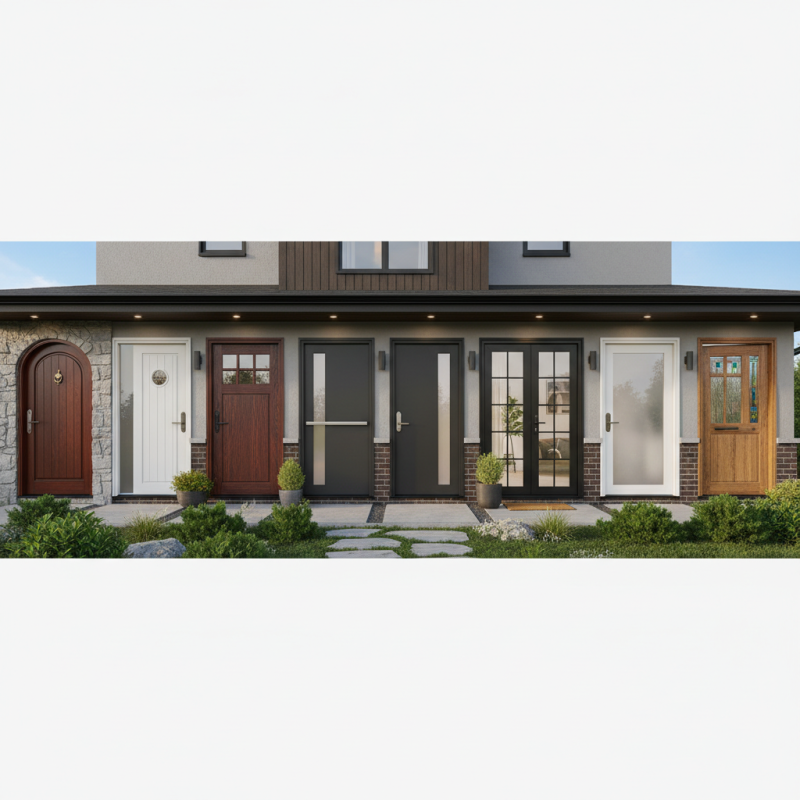
Choosing the right outside door for your home is essential. It impacts both curb appeal and security. Many options are available, from traditional wooden doors to modern fiberglass designs. When making a choice, consider the climate and maintenance needs of each material. A stylish door enhances your home's look, but it should also stand the test of time.
Tips: Always check energy efficiency ratings. A well-insulated door can save money on heating and cooling. Look for materials that resist warping and weather damage. Many homeowners overlook these features, focusing only on aesthetics.
Another point to remember is the importance of proper installation. A door is only as good as its framing. Poor installation can lead to air leaks and security vulnerabilities. Don't hesitate to hire a professional if you feel unsure. Sometimes, DIY projects can become overwhelming. Take your time to weigh your options. Make an informed decision that balances style, security, and durability.
Importance of Choosing the Right Exterior Door for Home Security
Choosing the right exterior door is crucial for your home's security. An exterior door acts as the first line of defense. It should be sturdy and reliable. A solid wood door can offer strength, but it might warp over time. Steel doors present a strong alternative; they resist denting and withstand harsh weather.
Security features are also essential. Look for doors with multi-point locking systems. These are harder to breach than traditional locks. Reinforced frames can enhance the door’s strength. Consider doors with tempered glass panels for natural light. However, be cautious; glass can be vulnerable if not designed properly.
Homeowners often overlook the importance of proper installation. A well-installed door can prevent gaps through which intruders can enter. Weather stripping also enhances energy efficiency. This not only improves security but also saves on energy bills. Reflecting on your current door's condition might reveal areas for improvement. Ensure that your door aligns with your security needs while enhancing your overall home design.
Comparison of Door Materials: Wood, Steel, and Fiberglass Durability
When selecting an exterior door, the material plays a significant role in durability and aesthetics. Wood, steel, and fiberglass all offer unique benefits and drawbacks. Wooden doors provide a classic look but require regular maintenance. They can warp or crack with changing weather conditions. On the other hand, steel doors are robust and offer excellent security, yet they are prone to rust if not properly treated. Fiberglass doors may imitate wood's appearance while resisting dents and scratches, offering an appealing balance.
Tips for choosing the right door include assessing your local climate and how that affects each material. For example, humid environments may not be ideal for wood doors. Consider also the level of security you need. Steel might be best for high-risk areas. Fiberglass options can provide aesthetics without compromising safety features.
Another aspect to consider is energy efficiency. Some materials offer better insulation than others. A well-insulated door can lower heating and cooling costs. Investigate the energy ratings of each option. This can make a difference in long-term savings. Don’t overlook the importance of door maintenance. Regular checks and upkeep can prolong the life of any door type you choose.
Top 10 Outside Door Options for Your Home Design Needs - Comparison of Door Materials: Wood, Steel, and Fiberglass Durability
| Door Type |
Material |
Durability (Years) |
Maintenance Level |
Energy Efficiency |
| Classic Wooden Door |
Wood |
15-20 |
High |
Average |
| Steel Security Door |
Steel |
20-30 |
Low |
Good |
| Fiberglass Entry Door |
Fiberglass |
25-30 |
Low |
High |
| Modern Wood Composite Door |
Wood Composite |
15-25 |
Medium |
Average |
| Traditional French Door |
Wood |
15-20 |
High |
Average |
| Contemporary Sliding Door |
Aluminum |
25-35 |
Low |
Good |
| Rustic Barn Door |
Wood |
10-15 |
High |
Average |
| Modern Glass Door |
Glass |
15-20 |
Medium |
High |
| Traditional Storm Door |
Aluminum |
15-25 |
Low |
Average |
| Eco-Friendly Bamboo Door |
Bamboo |
20-25 |
Medium |
High |
Energy Efficiency Ratings: How Doors Impact Home Insulation
When considering energy efficiency in home design, doors play a crucial role. According to the U.S. Department of Energy, doors can account for 6-10% of a home's energy loss. This highlights the importance of selecting the right door types. For instance, insulated doors can greatly reduce heat transfer compared to non-insulated options. Using materials like fiberglass or steel can enhance energy performance.
A study by the National Renewable Energy Laboratory reveals that doors with low U-factors, which measure heat transfer, have a direct impact on insulation. A U-factor of 0.20 or lower is ideal for colder climates. Additionally, doors with proper weather stripping can minimize air leaks. Each air leak can add 10-20% to heating and cooling costs.
Many homeowners overlook the long-term benefits of investing in energy-efficient doors. Initial costs may seem high, but savings on utility bills can be significant. While aesthetics matter, functionality should not be sacrificed. Reflections on door choices often reveal missed opportunities for improved home comfort and lower energy expenses. Ultimately, the right door choice combines efficiency with design to enhance the overall livability of homes.
Energy Efficiency Ratings of Top 10 Exterior Doors
This chart illustrates the energy efficiency ratings (R-Value) of various exterior door types. Higher R-Values indicate better insulation properties, contributing to overall home energy efficiency.
Design Trends: Aesthetic Appeal of Modern and Traditional Styles
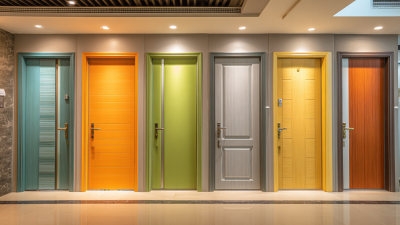
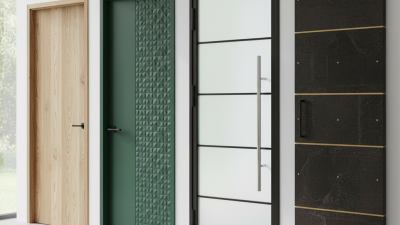
When choosing doors for your home, style matters. Modern designs often feature sleek lines and minimalist aesthetics. These doors can blend seamlessly with contemporary architecture, enhancing your home’s overall look. Materials such as glass and steel emphasize light and space. They create a welcoming environment, inviting both natural light and the outside world in.
On the other hand, traditional door styles bring warmth and charm. Craftsman and antique doors exhibit detailed woodwork and rich textures. These designs evoke a sense of nostalgia. They suit homes with classic architecture. However, they may require more maintenance over time.
Mixing both styles can lead to unique results. A modern door paired with traditional molding can create a striking visual contrast. Yet, this approach needs careful planning. Not all combinations will resonate well. Homeowners should consider their entire exterior while selecting a door.
Balancing aesthetic appeal with functionality is essential. Ultimately, the choice reflects personal taste and the home's character.
Conclusion
Choosing the right outside door is crucial for homeowners looking to enhance security, energy efficiency, and aesthetic appeal. The comprehensive guide examines various options, highlighting the importance of materials such as wood, steel, and fiberglass, each offering different levels of durability. Understanding energy efficiency ratings is also key, as doors play a significant role in home insulation and can impact utility costs.
Additionally, the article discusses current design trends, showcasing both modern and traditional styles that cater to various preferences. Finally, a cost analysis provides insight into budgeting for quality exterior door installation, ensuring that homeowners make informed decisions that balance style, function, and affordability in their home design.