What Are the Different Types of Doors and Their Uses?
When exploring the world of doors and doors, the variety is staggering. From elegant front doors to functional interior ones, choices abound. Expert David Carpenter notes, “The right door can transform any space.” This statement captures the essence of doors and doors in design and functionality.
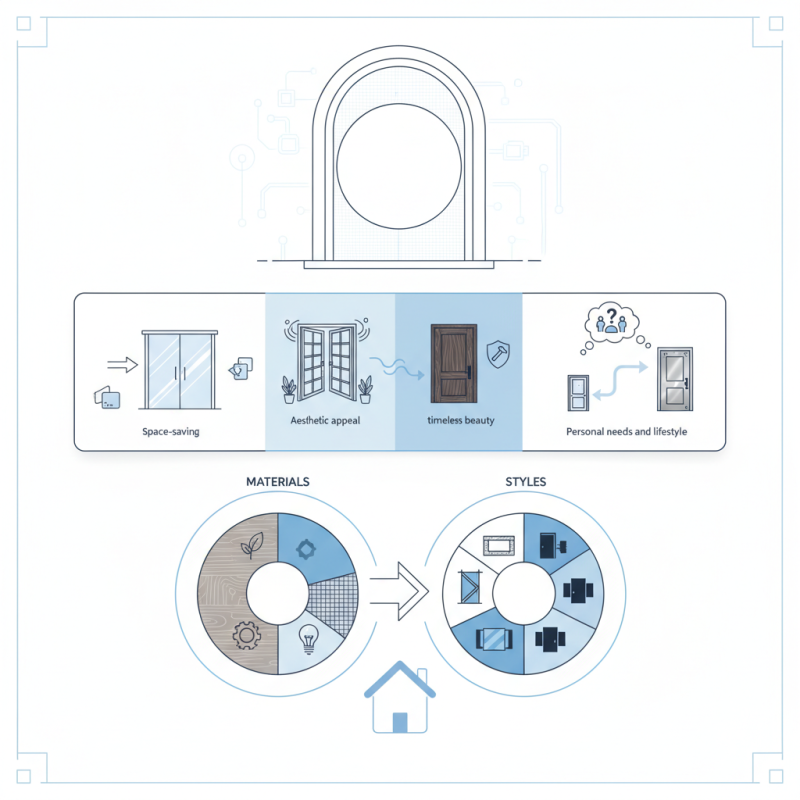
Different types of doors serve unique purposes. For instance, sliding doors offer space-saving benefits, while French doors provide aesthetic appeal. Each design element influences the atmosphere of a room. However, selecting the right door can be daunting. Homeowners often feel overwhelmed by options.
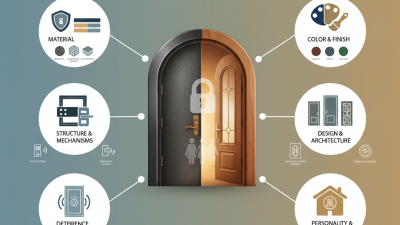
Understanding the materials and styles is key. Wooden doors deliver timeless beauty, whereas metal doors offer durability. Yet, it's essential to reflect on personal needs and lifestyle. Not every door fits every situation. Hence, it's vital to evaluate how each choice resonates within your space.
Overview of Common Door Types and Their Functions
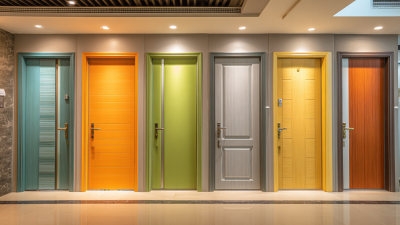
When it comes to doors, variety plays a crucial role. Different types serve unique functions. For example, a solid wood door is perfect for a main entrance. It offers security and durability. In contrast, a sliding glass door provides easy access to outdoor spaces. It allows natural light to brighten up indoor areas.
When choosing a door, consider the space and function. A bi-fold door is ideal for areas where space is limited. It folds away neatly, creating an open area. However, sometimes, these doors can jam or fail to close properly. Regular maintenance is essential.
Tips: Always measure your doorway before making a purchase. This ensures a proper fit. Pay attention to the door's material and style. It should complement your home's aesthetics. Installation can be tricky. Seeking professional help can save future hassles.
Types of Doors and Their Usage
This chart represents the different types of doors and their common uses in residential and commercial buildings. Each type is associated with its frequency of use based on industry observations.
Interior Doors: Styles and Uses in Residential Settings
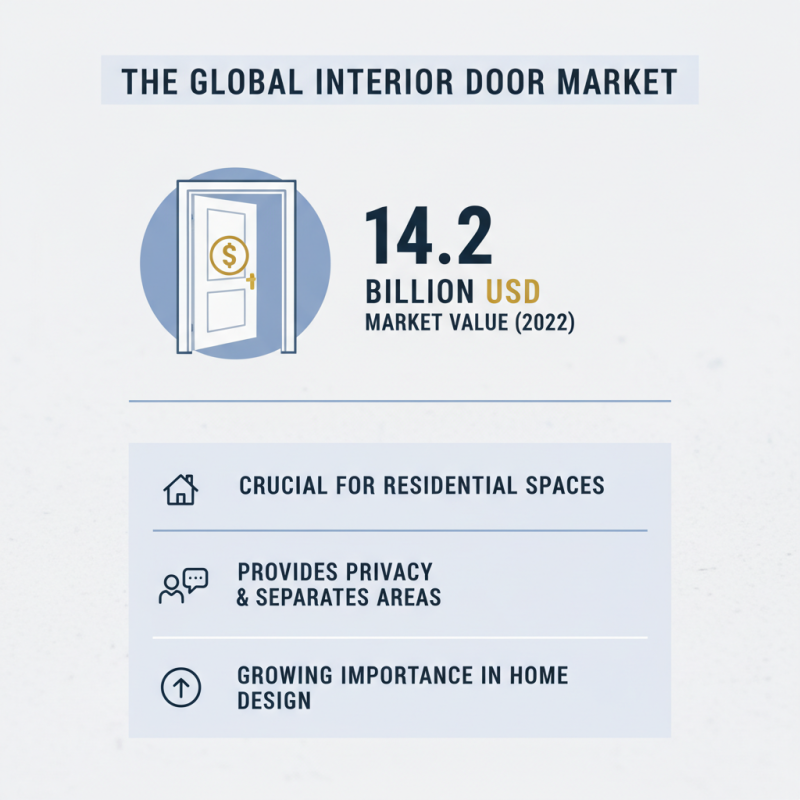
Interior doors play a crucial role in residential spaces. They provide privacy and separate living areas. In 2022, the global interior door market was valued at approximately $14.2 billion. This figure highlights their growing importance in home design.
There are various styles of interior doors. Panel doors, with their classic look, suit traditional homes. On the other hand, sliding doors save space and add a modern touch. Glass doors allow light to flow, creating an airy feel. However, many homeowners overlook the maintenance needs of these doors. Regular checks are essential to avoid issues.
Material choice is vital. Solid wood doors offer durability but can be expensive. Hollow core doors, while lightweight, may not be as sturdy. A 2023 report reveals that 45% of homeowners prefer solid wood for its longevity. Yet, many forget the environmental impact of such choices. Sustainability must be considered in today’s designs.
Exterior Doors: Security and Aesthetic Considerations
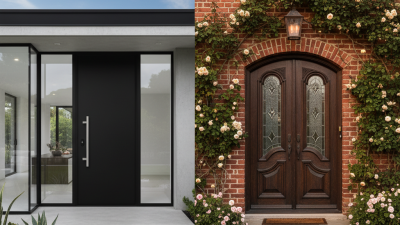
Exterior doors play a crucial role in home security and aesthetics. A well-chosen door can enhance your home's curb appeal. It can also provide the necessary protection against intruders. Security is not just about the lock; it's also about the door's material and design. Solid wood or metal doors often offer better security than hollow-core options.
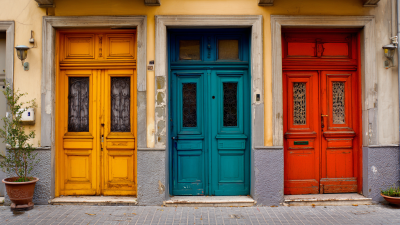
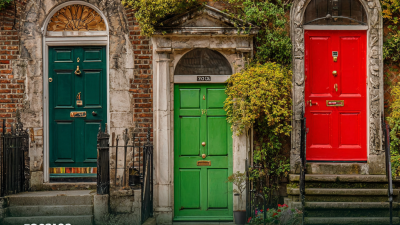
Aesthetic considerations matter too. The color and style of the door should complement the home's design. A bright red door can make a bold statement, while a classic white door offers timeless charm. When choosing a door, think about your neighborhood as well. A door that stands out can attract attention, but it might not fit well in a more traditional area. And then there's the idea of maintenance. Some materials require more upkeep than others.
You might feel tempted to choose based on visual appeal alone. This can lead to regrets later. A beautiful glass door might look stunning, but is it secure? Always weigh the balance between beauty and functionality. A door should invite warmth while keeping your home safe. Reflect on what matters most when making your choice.
Specialized Doors: Innovations and Unique Applications
When exploring specialized doors, innovation plays a key role. Many doors now feature advanced technology. For instance, smart doors equipped with biometric locks enhance security. They recognize fingerprints, offering an extra layer of protection. However, not everyone embraces this technology easily. Some people find the setup complicated.
Another noteworthy development is soundproof doors, ideal for recording studios or offices. These doors minimize external noise effectively. They are usually thicker and have insulation layers. Still, the price can be a barrier for small businesses. A simple solution may not always be accessible.
Fire-rated doors are crucial in safety design, containing fires for extended durations. They typically come with specialized materials that resist flames. Yet, confusion about their installation and maintenance often arises. Regular inspections are necessary, but some forget this step. Maintaining safety should not be overlooked.
Choosing the Right Door: Factors to Consider for Your Needs
When choosing a door, consider its purpose.
Interior doors serve different functions than exterior ones.
For example, a solid core door provides privacy and sound insulation, ideal for bedrooms.
A hollow core door may be more suitable for closets or less-used spaces.
Visual appeal matters too. A well-designed door can enhance your room’s aesthetic.
Materials play a crucial role. Wood offers warmth and durability. However, it requires regular maintenance to prevent wear.
Metal doors are sturdy and provide security, making them perfect for entryways.
Glass doors create a sense of openness but may compromise privacy. Think about the climate as well.
In humid areas, treated materials can help resist moisture damage.
Don’t forget about style. Traditional designs can bring charm, while modern options keep things sleek.
Ensure the door matches your home’s overall vibe. Finally, consider installation ease.
Some doors are easier to install than others, especially for those who are DIY enthusiasts.
Assess your skills and comfort level before making a choice.