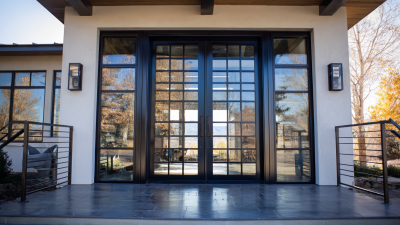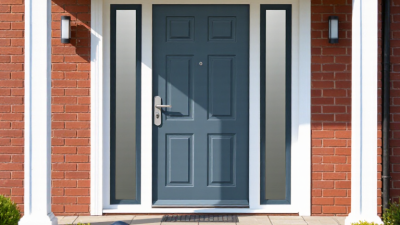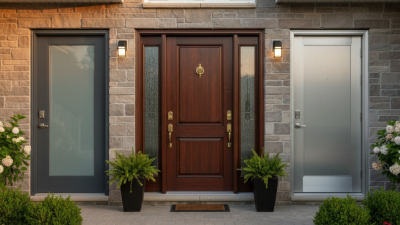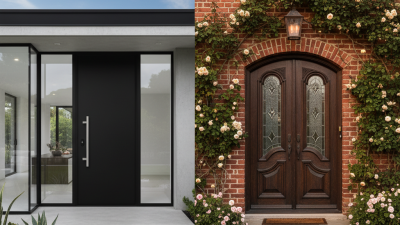
Choosing the best front doors for your home involves more than matching a color to your exterior. The right door should welcome guests, resist weather, support security, and suit your daily routines. Architect Sarah Susanka describes this entrance beautifully: “The front door is the handshake of the house.”
That handshake begins with the material. Solid wood offers warmth and can be repaired, but it needs regular sealing in damp climates. Fiberglass resists moisture and often imitates oak or mahogany convincingly. Steel provides strong security, although scratches may eventually invite rust. Glass can brighten a dark hallway, but privacy and energy performance require careful consideration.
Measure the opening, threshold, swing direction, and surrounding trim before shopping. A beautiful door can still fail when its frame fits poorly. Look for dependable weatherstripping, insulated cores, reinforced locks, and low-emissivity glass where appropriate. Local climate matters too. Coastal air, freezing winters, and intense sunlight each test front doors differently.
Think about maintenance.
A dark finish may look dramatic, yet it can fade under strong afternoon sun. A wide pivot door may feel impressive, but it can be awkward in a narrow entryway. I have seen homeowners prioritize appearance and regret ignoring installation quality. That is an easy mistake to make.
The best choice balances character, durability, comfort, and budget. Review manufacturer warranties, ask qualified installers detailed questions, and compare real samples near your walls. Your entrance should look inviting today and remain dependable after years of rain, dust, fingerprints, and hurried mornings.
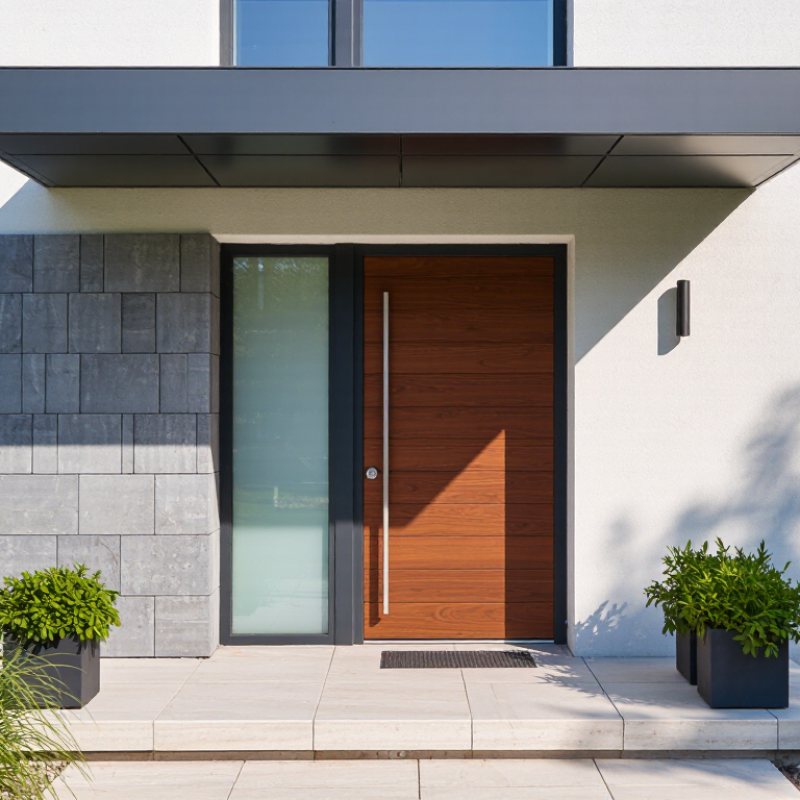
Choosing a front door starts with defining how your entryway must work. Measure the existing opening, wall thickness, sill height, and swing clearance. A beautiful door can still be wrong if furniture blocks its movement.
Study your daily habits. Do deliveries need a clear landing? Will children, pets, or older adults use the entrance? A wider opening improves movement, while a low threshold can reduce tripping risks. Check the direction of sunlight, driving rain, and prevailing wind. These details affect fading, water resistance, and indoor comfort. Small details matter.
Security needs more than a strong-looking slab. Examine the frame, hinges, lock area, and strike plate as one system. Solid construction helps, but poor installation can weaken the result. Ask a qualified installer to verify drainage, weather seals, and structural support. Local building requirements may also control glazing, accessibility, and emergency exit features.
Think about maintenance before choosing a finish. Dark surfaces may show dust and heat more clearly. Wood can offer warmth, yet it needs careful sealing and periodic inspection. Fiberglass or metal may demand less attention, but quality varies. I would not choose from photographs alone. Touch the surface, test the hardware, and inspect a sample in changing daylight. Sometimes the practical option looks less impressive at first.
| Entry Requirement | Recommended Specification | Relevant Facts and Measurements | Why It Matters | Homeowner Check |
|---|---|---|---|---|
| Existing Opening Size | Measure the rough opening, finished opening, jamb depth, and threshold area before ordering. | Common single-door widths include 30, 32, 34, and 36 inches. A standard door height is commonly 80 inches, although other heights are available. | A door slab, frame, and installation clearance must fit the opening. Ordering by slab size alone can result in an incorrect fit. | Measure the width at the top, middle, and bottom, then measure height at both sides and the center. Use the smallest measurement when planning. |
| Available Entry Space | Choose a single door, double door, door with sidelites, or door with a transom according to the available wall space. | Double doors and glass panels require more structural and visual space than a standard single entry door. | The configuration affects natural light, circulation, privacy, and the amount of wall structure that must be modified. | Check the exterior landing, interior furniture clearance, nearby windows, stairs, and property-line limitations. |
| Door Swing and Handing | Select an inswing or outswing door and confirm left-hand or right-hand operation. | Door handing is determined by the hinge side when viewed from the side where the door opens toward you. | An incorrect swing can obstruct hallways, stairs, furniture, exterior walkways, or emergency egress routes. | Stand on the approach side and mark the intended hinge side and swing arc with painter’s tape. |
| Climate and Weather Exposure | Prioritize a weather-resistant door system with a continuous perimeter seal, adjustable threshold, and properly flashed frame. | Exterior doors are exposed to wind-driven rain, sunlight, temperature changes, and humidity. Weather performance depends on the complete installed system. | Good sealing helps reduce drafts, water intrusion, energy loss, and premature deterioration. | Identify the direction of prevailing rain, the amount of direct sun, and whether the entry is protected by a porch or overhang. |
| Energy Efficiency | Compare the complete door assembly’s U-factor, solar heat gain coefficient where applicable, and air-leakage performance. | A lower U-factor generally indicates better resistance to heat transfer. Performance values apply to the door assembly, not only the slab. | Energy performance can affect indoor comfort, heating and cooling demand, and condensation risk. | Review the product’s certified performance information and ensure the frame, threshold, weatherstripping, and glass are included. |
| Material and Maintenance | Choose among fiberglass, steel, solid wood, or engineered wood according to appearance, durability, climate, and maintenance capacity. | Fiberglass and steel doors generally require less routine refinishing than exposed wood. Wood performance depends heavily on sealing and protection. | Material selection influences resistance to dents, moisture, ultraviolet exposure, scratches, and long-term upkeep. | Decide how often you are willing to repaint, refinish, inspect seals, and repair surface damage. |
| Security Requirements | Use a solid or reinforced core where appropriate, a strong frame, long structural screws, and a properly fitted deadbolt. | Door security depends on the slab, hinges, strike area, frame attachment, lockset, and surrounding wall—not the lock alone. | A reinforced installation can improve resistance to forced entry and reduce movement around the latch and strike. | Inspect the strike location, hinge screws, frame condition, and wall structure. Follow local code requirements for egress and locking. |
| Glass and Privacy | Select clear, frosted, textured, laminated, or insulated glass according to daylight, privacy, and safety needs. | Insulated glass contains sealed air or gas spaces between panes. Laminated glass has a bonded interlayer that helps retain fragments after breakage. | Glass affects visibility, daylight, thermal performance, acoustic comfort, and privacy at the entrance. | Check what can be seen from the street at night and consider curtains, blinds, textured glass, or sidelites with reduced visibility. |
| Accessibility and Daily Use | Provide a stable, slip-resistant landing and select hardware that is easy to operate. | Threshold height, landing depth, door weight, opening force, and clear passage affect usability for children, older adults, and wheelchair users. | A well-planned entry improves safety and convenience for everyday traffic, deliveries, and visitors with mobility needs. | Check local accessibility rules and measure the landing, threshold, clear opening, and turning space before installation. |
| Building Code and Egress | Verify local requirements for exterior doors, emergency escape routes, safety glazing, landings, and stair clearances. | Code requirements vary by location and application. Some glass locations require safety glazing, especially near doors and walking surfaces. | Compliance supports safe use, inspection approval, insurance requirements, and future resale. | Confirm requirements with the local building department or a qualified professional before finalizing the design. |
| Threshold and Drainage | Choose a threshold compatible with the finished floor and include a properly sloped exterior landing or sill pan where required. | The threshold must transition cleanly between interior and exterior surfaces while directing water away from the building. | Incorrect height or drainage can cause tripping, water entry, rot, and damage to flooring or framing. | Compare the planned threshold height with tile, hardwood, carpet, or other finished flooring thicknesses. |
| Aesthetic and Architectural Fit | Match the door’s proportions, panel layout, glazing pattern, color, and hardware finish to the home’s architecture. | Vertical panel arrangements, glass area, trim width, and finish color influence how tall, wide, traditional, or contemporary the entry appears. | The front door is a highly visible architectural element and can affect curb appeal and visual balance. | Compare the door against the facade, porch columns, windows, exterior lighting, and existing trim before ordering. |
| Installation and Warranty | Use an experienced installer and follow the manufacturer’s installation instructions for flashing, shimming, sealing, and fastening. | Installation quality affects air leakage, water resistance, operation, alignment, and warranty validity. | Even a high-performance door can fail if the frame is out of square or the sill and perimeter are not sealed correctly. | Request a written installation scope, confirm who handles permits, and keep product and installation documents for future maintenance. |