Why Are Front Doors Important for Your Home?

A front door is more than an entrance. It is the first surface guests touch, the barrier between weather and comfort, and a visible signal of how a home is maintained. A solid door can reduce drafts, improve daily security, and make a narrow hallway feel warmer and more welcoming. Still, appearance alone is not enough.

The U.S. Department of Energy recommends properly weather-stripped, energy-efficient doors to limit air leakage around entry points. Small gaps beneath a door can admit cold air, dust, and rain. You may notice this when a curtain moves near the closed entrance. ENERGY STAR guidance also encourages selecting products suited to local climate conditions, not simply choosing the most expensive model.

Financial evidence is also persuasive. JLC’s 2024 Cost vs. Value Report estimated a national return of 188.1% for a steel entry door replacement. That figure reflects averages, not a promise for every property. Location, installation quality, material, and neighborhood expectations can change the result. The National Association of Realtors’ remodeling research also shows that exterior improvements often influence buyer appeal and satisfaction.

Yet, a beautiful door can still fail. Poor fitting, weak hinges, or neglected seals may undermine its value. That is the part homeowners sometimes overlook. The best front doors combine tested performance, suitable materials, and careful installation. They should open smoothly, close firmly, resist the local weather, and complement the home’s architecture. In the following discussion, we will examine why this modest feature deserves serious attention.
Why Are Front Doors Important for Your Home?

The Basic Functions of a Front Door

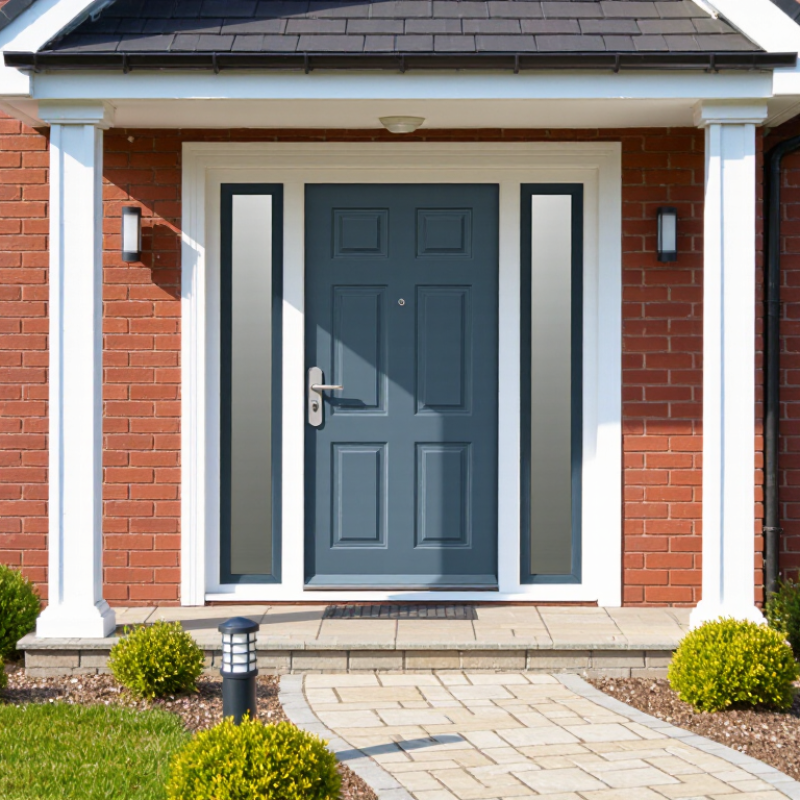
A front door is the main controlled opening in a home. It allows residents, guests, and deliveries to enter safely. In daily use, it also separates public outdoor space from private indoor space. A well-fitted door should open smoothly, close firmly, and remain easy to operate for children and older adults.

Security is one of its basic functions. The door, frame, hinges, and lock must work together as one system. A strong lock cannot compensate for a weak frame. From practical inspections, small gaps around the frame often reveal poor installation or settling walls. These gaps may allow drafts, noise, moisture, or unwanted access. Regularly checking the hinges, latch, and seals is simple but often forgotten. It is not glamorous.

A front door also controls weather and indoor comfort. Weather-resistant materials and tight seals can reduce rain entry and heat loss. Glass panels may brighten a hallway, but they can reduce privacy without suitable covering. The door should also provide a clear, stable route during emergencies, without blocked steps or slippery surfaces. Appearance matters too, because the entrance shapes a visitor’s first impression. Still, design should never weaken safety, accessibility, or reliable daily performance. A beautiful door that sticks in damp weather is not truly successful.

How Front Doors Affect Home Security and Privacy

Why Are Front Doors Important for Your Home?

How Front Doors Affect Home Security and Privacy

A front door is more than an entrance. It forms the first barrier between your living space and the street. During home safety checks, weak frames often appear before damaged door panels. A strong door cannot protect much if the surrounding frame splits easily. Check the hinges, strike plate, locks, and threshold together. Security works as a system.

A solid-core door usually resists forced impact better than a lightweight hollow door. A deadbolt with a long, secure bolt can improve resistance when installed correctly. The lock should enter a reinforced frame, not only thin trim. Small windows deserve attention, too. Clear glass may reveal keys, bags, or family routines. Frosted glass, curtains, or careful furniture placement can reduce unwanted visibility. Privacy is not only visual. Gaps around the door can carry voices and indoor light outside.

Lighting near the entrance may discourage suspicious activity, but it cannot replace sound hardware. A camera or door viewer can help residents identify visitors before opening the door. Still, devices can fail, lose power, or create false confidence. Test them regularly. I have seen homeowners focus on expensive gadgets while ignoring loose screws and a warped frame. That mistake is easy to repeat. Weather seals also matter, because a poorly fitted door can expose daily habits through drafts, noise, and visible movement.

The Role of Front Doors in Energy Efficiency

Why Are Front Doors Important for Your Home?

A front door is more than an entrance. It forms a boundary between indoor comfort and changing outdoor temperatures. During a home energy assessment, I often check the door before inspecting larger systems. Small air leaks can create noticeable drafts near ankles, locks, and frame corners. Cold air enters there first.

A well-fitted door improves energy efficiency by reducing uncontrolled airflow. Solid construction helps, but the frame and seals matter just as much. Weatherstripping should compress evenly when the door closes. The threshold must meet the slab without leaving a visible gap. Glass panels should have suitable insulation values and tight edge seals. Even a good door performs poorly when installed unevenly.

I once assumed replacing the door slab would solve every draft problem. It did not. The old frame had shifted slightly, and the seal no longer touched properly. That mistake changed how I inspect entrances. I now look for daylight, listen for whistling, and feel temperature differences on windy days. Homeowners can also test suspicious areas with a thin strip of paper. If the paper slides out easily, the seal may need adjustment. Maintenance is easy to overlook. Hinges loosen, seals harden, and thresholds wear down over time. A careful inspection can prevent comfort loss before higher heating or cooling bills appear.

Why Front Doors Shape Curb Appeal and First Impressions

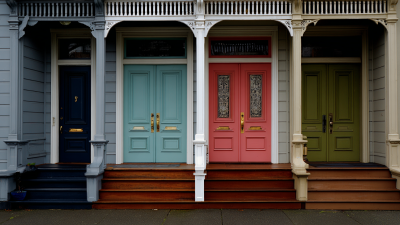
A front door often shapes a visitor’s opinion before they notice the roof, windows, or landscaping. Its color, condition, and proportions can make a home feel welcoming, neglected, formal, or surprisingly modern. In my experience, a clean entry with visible house numbers creates immediate confidence. Natural light also helps, especially when a small porch feels dark in the afternoon.

Details matter more than expensive materials. A properly fitted door should open smoothly, close securely, and protect the interior from drafts. Even small issues, such as peeling paint or a loose handle, can weaken a carefully maintained exterior. I once underestimated the effect of an uneven doormat; it made the entrance look careless from the sidewalk. That was a useful reminder that curb appeal depends on balance, not decoration alone.

Tips: Choose a color that complements the exterior rather than competing with it. Keep glass, hardware, and thresholds clean. Use warm lighting near the doorway, but avoid glare. Check the door seasonally for swelling, gaps, or damaged weatherstripping. A simple wreath or planter can add character, though too many items may hide the entry’s strongest features. Reflect on how the door looks from the street, not only from inside the home.

Why Are Front Doors Important for Your Home? - Why Front Doors Shape Curb Appeal and First Impressions

Impact Area Measurable Dimension Recognized Fact or Benchmark Why It Matters Practical Evaluation
Visual Proportion Door-to-façade scale A common single front-door size is approximately 36 inches wide by 80 inches high, although existing openings vary. A correctly scaled door looks intentional and helps balance the surrounding wall, porch, and entry features. Compare the door width and height with nearby windows, columns, steps, and porch depth.
First Impression Condition and visual clarity A clean, undamaged, properly aligned door presents a more maintained appearance than one with peeling finishes, dents, or visible gaps. The entrance is usually the most recognizable focal point of a home's exterior. Check the finish, hinges, frame, threshold, hardware, and surrounding trim from the street.
Accessibility Clear opening width For an accessible route under the ADA Standards, a door generally requires at least a 32-inch clear opening when measured with the door open 90 degrees. Adequate clearance improves usability for wheelchairs, walkers, moving equipment, and everyday deliveries. Measure the usable opening rather than relying only on the nominal door size; local requirements may differ.
Threshold Safety Raised threshold height The ADA Standards generally limit accessible door thresholds to 1/2 inch, with additional beveling requirements for higher thresholds. A lower, well-finished threshold reduces trip risk and makes the entrance easier to use. Look for loose, damaged, excessively high, or water-damaged threshold sections.
Energy Efficiency Air leakage and U-factor Lower U-factor indicates better resistance to heat transfer; effective weatherstripping helps limit uncontrolled air leakage. A well-sealed entry can improve indoor comfort and reduce drafts near the foyer. Check for daylight around the frame, loose weatherstripping, rattling, and temperature differences.
Security Lock, frame, and hinge integrity Security depends on the complete entry assembly, including the door slab, frame, strike area, hinges, and locking hardware. A strong, properly aligned assembly supports both occupant confidence and daily convenience. Test the lock, inspect the strike plate, and confirm that the door closes firmly without forcing.
Daylight and Visibility Glazing and sightlines Glazed sections can increase daylight and visibility, while safety glazing may be required in specific hazardous locations under building codes. Natural light can make an entry feel more open, welcoming, and connected to the exterior. Review privacy, glare, glass condition, and whether the glazing is appropriate for its location.
Color Contrast Door-to-wall contrast A contrasting door color makes the entrance easier to identify from the street and can improve visual wayfinding. Clear visual emphasis helps the front entrance function as the home's primary exterior focal point. Assess the door in daylight and at night, considering the siding, trim, porch, and landscape colors.
Maintenance Inspection frequency Weather exposure affects finishes, seals, hardware, and thresholds; routine seasonal inspection helps identify deterioration early. Regular care preserves appearance, operation, weather resistance, and the quality of the first impression. Inspect at least twice a year and after severe weather; clean, lubricate, adjust, or reseal as needed.

Key Factors in Choosing and Maintaining a Front Door

Why Are Front Doors Important for Your Home?

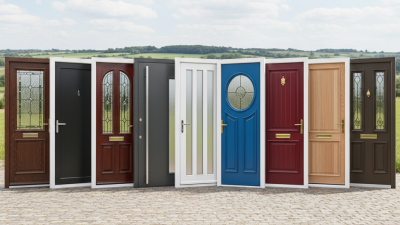
Choosing a front door involves more than color or curb appeal. Start with climate, exposure, security, and daily use. A south-facing door may need a durable finish and strong UV resistance. A sheltered entrance has different demands. Measure the opening, frame depth, threshold, and swing direction carefully. Measure twice. Small gaps matter.

Look for a door with reliable weatherstripping, an adjustable threshold, and a well-fitted frame. The U.S. Department of Energy identifies air leakage as a major source of residential energy waste, so poor installation can reduce comfort even with a quality door.

Glass panels should have suitable insulation and safety glazing. Hardware also deserves attention; a reinforced strike area and long screws can improve resistance to forced entry.

Local building requirements should guide the final specification.

Maintenance protects that investment. Inspect seals each season, tighten loose hinges, clear the threshold, and repaint exposed surfaces before peeling begins. Fiberglass and steel doors usually need less upkeep than wood, but neither is maintenance-free.

I have seen attractive doors fail because water collected beneath the sill. That detail is easy to miss.

The 2024 Cost vs. Value Report recorded a 188.1% average cost recoupment for steel entry-door replacement, but regional results vary widely. The number is useful, not guaranteed. A door should still open smoothly, close firmly, and remain dry after heavy rain.